Hey there! I’m a supplier of carrier tape materials, and I’ve been diving deep into how these materials interact with different types of transportation conditions. It’s a topic that’s super important in our industry, and I’m stoked to share some insights with you. Carrier Tape Materials
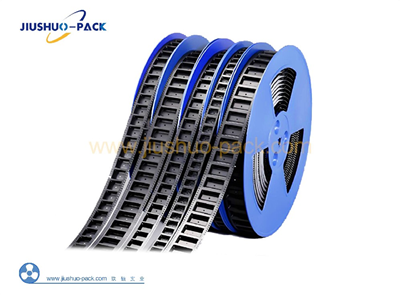
First off, let’s talk about what carrier tape materials are. They’re basically the packaging that holds electronic components during shipping and handling. You know, those little plastic tapes with pockets that keep your tiny chips and resistors safe. There are different kinds of carrier tape materials out there, like polystyrene (PS), polycarbonate (PC), and polyethylene terephthalate (PET). Each has its own unique properties, and these properties play a huge role in how they handle transportation.
Now, let’s get into the different transportation conditions. One of the most common ways to transport carrier tapes is by road. When you’re shipping by road, you’ve got to deal with a lot of vibrations. Trucks are constantly moving, hitting bumps, and going over potholes. These vibrations can be a real pain for carrier tape materials. If the tape isn’t strong enough, the vibrations can cause the pockets to break open, and the components inside can fall out. That’s a major no – no, especially when you’re dealing with expensive and delicate electronics.
For PS carrier tapes, they’re relatively lightweight and cost – effective. But they’re also a bit brittle. In a high – vibration road transportation scenario, they might crack or shatter. On the other hand, PC carrier tapes are much tougher. They can withstand a fair amount of vibration without getting damaged. Their high impact resistance makes them a great choice for long – distance road shipments.
Another thing to consider when shipping by road is temperature. You see, the inside of a truck can get really hot during the summer and extremely cold in the winter. Temperature changes can cause the carrier tape materials to expand or contract. If the material isn’t temperature – resistant, this expansion and contraction can lead to warping or distortion of the tape.
PET carrier tapes are known for their good temperature resistance. They can handle a wide range of temperatures without significant changes in their physical properties. So, when you’re shipping them by road through areas with extreme temperature variations, PET tapes are a reliable option.
Now, let’s switch gears and talk about air transportation. When you’re flying carrier tapes, the main concern is the change in air pressure. As the plane ascends, the air pressure drops, and when it descends, the pressure increases. This rapid change in pressure can be a problem for carrier tape materials.
Some materials might not be able to handle the pressure difference. For example, a carrier tape with weak sealant might pop open during the flight. This could expose the electronic components to the air inside the cargo hold, which might not be a clean environment. This is where using high – quality PS carrier tapes with strong sealing properties can be a lifesaver. They can keep the components sealed tightly, even under changing air pressure.
Another aspect of air transportation is the shorter transit time. Since flights are generally faster than road or sea shipments, there’s less time for the carrier tape to be exposed to potential hazards. However, the handling at airports can still be rough. The tapes are often loaded and unloaded quickly, and there’s a risk of them being dropped or banged around.
PC carrier tapes, with their high strength and durability, are well – suited for this kind of handling. They can take a bit of a beating during the airport loading and unloading process without getting damaged.
Sea transportation is yet another story. When you’re shipping carrier tapes by sea, you’re looking at long transit times. These long voyages mean that the tapes are exposed to a humid environment for an extended period. Moisture can be a big enemy of carrier tape materials.
If the material isn’t moisture – resistant, it can absorb water, which can lead to swelling and weakening of the tape. PET carrier tapes, again, come in handy here. They have a low moisture absorption rate, so they can stay in good condition even during long sea voyages.
Also, in sea transportation, there are big waves and rough seas. These can cause the shipping containers to rock and roll, creating a lot of movement. Similar to road transportation, the vibrations and movements can damage the carrier tapes. But with the right choice of material, like PC, you can minimize the risk of damage.
You might be wondering, how do I choose the right carrier tape material for my specific transportation needs? Well, it depends on a few factors. First, think about the type of transportation. If you’re shipping by road over long distances with lots of rough terrain, go for a tough material like PC. If you’re doing short – haul air shipments, PS with good sealing can be sufficient.
Secondly, consider the environmental conditions during transportation. If you’re going through areas with extreme temperatures or high humidity, opt for materials like PET that can handle these conditions.
As a carrier tape materials supplier, I’ve seen it all. I’ve worked with customers who’ve had issues with their components getting damaged during transportation because of the wrong choice of carrier tape material. And I’ve also helped customers who’ve successfully shipped their products with the right materials.
Whether you’re a small electronics manufacturer or a large distributor, getting the right carrier tape material for your transportation needs is crucial. It can save you a lot of money in the long run by preventing component damage and reducing the need for returns and replacements.
So, if you’re looking for high – quality carrier tape materials that are tailored to your transportation conditions, don’t hesitate to reach out. I’d be more than happy to have a chat and help you find the perfect solution for your business. We’ve got a wide range of options, and we can work with you to find the best material based on your specific requirements.
Let’s talk about your carrier tape needs and make sure your electronic components are protected during transportation. Contact me for a consultation and let’s get started on getting the right carrier tape for you!
Paper Carrier Tape References
- "Handbook of Packaging Materials: Polymers, Coatings, Inks and Adhesives"
- "International Journal of Packaging Science and Technology"
- "Transportation Research Record"
Dongguan Jiushuo Industrial Co., Ltd.
As one of the most professional carrier tape materials manufacturers and suppliers in China, we also support customized service. Please feel free to buy high quality carrier tape materials made in China here from our factory. Contact us for more details.
Address: 11th Floor, Building 2, Chuangfu Center, Chashan Town, Dongguan City, Guangdong Province, China
E-mail: sales06@zaidaiw.com
WebSite: https://www.carriertape-pack.com/
