Hey there! I’m a supplier of natural biostimulants, and today I wanna chat about whether these awesome products come in different formulations. It’s a topic that’s super important for farmers, gardeners, and anyone who’s into sustainable agriculture. Natural Biosstmulants
First off, let’s talk about what natural biostimulants are. They’re substances derived from natural sources like plants, animals, and microorganisms. These things can boost plant growth, improve nutrient uptake, and enhance the plant’s resistance to stress. And the cool thing is, they’re eco – friendly, which is a huge plus in today’s world.
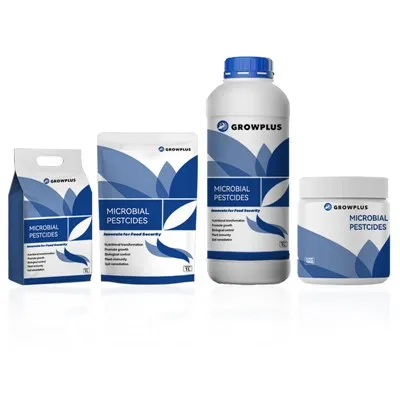
Now, to answer the big question: yes, natural biostimulants are available in different formulations. One of the most common ones is liquid. Liquid biostimulants are really popular because they’re easy to apply. You can mix them with water and spray them directly on the plants’ leaves or drench the soil around the roots. This method allows for quick absorption by the plants. For example, a liquid seaweed extract biostimulant can be sprayed on crops during the growing season. The seaweed contains various growth – promoting substances like cytokinins, auxins, and gibberellins. When sprayed on the leaves, these substances are rapidly absorbed, and the plants start to show improved growth and health.
Another formulation is powder. Powder biostimulants are great for long – term storage. They’re usually more concentrated than liquid ones. You can mix the powder with water to create a solution for application. Some powder biostimulants are made from fermented plant materials. These powders can be sprinkled on the soil surface or mixed into the soil before planting. They gradually release nutrients and beneficial substances over time, providing a continuous supply of growth – promoting factors to the plants.
There are also granular formulations. Granular biostimulants are similar to fertilizers in terms of application. You can spread them on the soil around the plants. They’re convenient for large – scale farming operations. For instance, a granular biostimulant made from composted organic matter can be spread across a field. As the granules break down in the soil, they release nutrients and stimulate the growth of beneficial soil microorganisms. These microorganisms, in turn, help the plants better absorb nutrients from the soil.
The choice of formulation depends on several factors. One of the main factors is the type of crop. Different crops have different needs. For example, leafy vegetables might benefit more from a liquid foliar spray because they have a large surface area for absorption. On the other hand, root crops like carrots or potatoes could do well with a granular or powder biostimulant applied to the soil, as it can directly affect the root development.
The application method also plays a role. If you have a small garden, a liquid spray might be the easiest way to go. You can use a handheld sprayer to apply the biostimulant evenly. But if you’re a commercial farmer with a large field, a granular or powder formulation that can be spread using a tractor – mounted spreader might be more practical.
Cost is another consideration. Liquid biostimulants are often more expensive per unit volume because of the processing involved. However, they can be more cost – effective in the long run if they provide better results. Powder and granular formulations are usually cheaper to produce and store, but they might require more effort in terms of mixing and application.
As a supplier, I’ve seen the benefits of different formulations in action. I’ve worked with farmers who have switched from traditional fertilizers to natural biostimulants, and they’ve noticed significant improvements in their crop yields and quality. For example, a strawberry farmer I know started using a liquid biostimulant made from humic acid. The strawberries were bigger, sweeter, and had a longer shelf – life. Another farmer growing wheat used a granular biostimulant containing beneficial bacteria. The wheat plants were more resistant to diseases and had a higher protein content.
I also understand the challenges that come with using natural biostimulants. Sometimes, the results might not be as immediate as with synthetic fertilizers. But the long – term benefits are well worth it. Natural biostimulants help build healthy soil, which is the foundation of sustainable agriculture.
If you’re interested in learning more about natural biostimulants or want to discuss which formulation would be best for your crops, I’d love to have a chat. Whether you’re a small – scale gardener or a large – scale farmer, I can provide you with the right products and advice. Just reach out, and we can start a conversation about how natural biostimulants can transform your farming or gardening experience.

In conclusion, natural biostimulants are available in different formulations, each with its own advantages and disadvantages. The key is to choose the right one based on your specific needs and circumstances. By using natural biostimulants, you’re not only helping your plants grow better but also contributing to a more sustainable and eco – friendly agricultural system.
Natural Biosstmulants References:
- Smith, J. (2020). The Role of Natural Biostimulants in Sustainable Agriculture. Journal of Agricultural Science.
- Brown, A. (2019). Formulations of Natural Biostimulants and Their Effects on Plant Growth. Agricultural Research Review.
Grow Plus Crop Protection Co., Ltd.
As one of the most professional natural biosstmulants manufacturers and suppliers in China, we’re featured by quality products and good service. Please rest assured to wholesale bulk natural biosstmulants at competitive price from our factory. Also, quotation is available.
Address: Room 1101, Building 26, Zhongke Innovation Plaza, No. 150 Pubin Road, Pukou District, Nanjing City, Jiangsu Provience
E-mail: Lily@natur-sim.com
WebSite: https://www.gpglo.com/
