Hey there, fellow growers and ag experts! If you’ve been hanging around the ag scene for more than a minute, you’ve probably noticed how much power-driven ag implements have changed the game over the last decade. I’m not here to hit you with a bunch of stuffy industry jargon or push the latest shiny gadget—just the real, on-the-ground perks that come with ditching more old-school, manual gear and making the switch to powered tools. As someone who’s been supplying ag implements for years, I’ve seen firsthand how these tools aren’t just nice-to-haves—they’re game-changers for small family farms and large operations alike. Let’s break down the real advantages, no fluff attached. Agricultural Implements

First off, let’s talk about that big one: time. I don’t care if you’re planting 10 acres of corn or fixing fence lines, time is non-negotiable in farming. Miss a 2-day window to plant your soybeans because you’re stuck pulling a manual seeder across a muddy field, and you could take a hit to yields that whole season. Power-driven implements? They cut that time by literal hours or even days per task. Let’s be real—back when my grandpa was farming, he’d spend all day with a team of mules plowing just a few rows. Now, a mid-range powered plow or seeder can cover the same amount of ground in an hour. I had a customer last spring with a 50-acre vegetable farm who used to take 3 full days transplanting his tomato seedlings by hand. After picking up our electric transplanter? He knocked it out in 7 hours flat. That freed him up to tend to his irrigation, check on pest control, and even squeeze in a day off with his kids. Time saved isn’t just “less work”—it’s protecting your yield, reducing stress, and making sure you can hit every critical window that keeps your farm profitable. I’ve seen too many growers lose money because they rushed a job or missed a deadline; powered tools erase a lot of that risk.
Next up: consistency. Let’s face it, human hands are great, but they get tired. By mid-afternoon, your posture’s shot, your arms are sore, and suddenly you’re seeding a little too deep or planting a row that’s crooked by an inch. That adds up over acres—missed spacing leads to overcrowded plants that compete for nutrients, or gaps where weeds move in, or harvest yields that are lopsided because some plants grew more than others. Power-driven tools are built for repeatability. A powered seed drill will drop every seed at the exact same depth, exact same spacing, every single time, across the whole field. A powered sprayer applies the exact amount of fertilizer or pesticide to every plant, no skips or overlaps. I had a wheat farmer customer last year who was struggling with uneven growth that was killing his test plot results. He tried everything—soil tests, different seed varieties—until he swapped his manual spreader for our powered model. He ended up with a 12% more uniform harvest, and his grain sample scores went up enough that he got a better price at market. That’s not a small win—when you’re selling bulk commodities, uniform product is worth real money. And don’t get me started on how much less wear and tear it puts on your body. I’ve talked to growers in their 60s who still can’t shake the back pain from years of pulling manual harrows. Power tools take that strain away—no more lifting 50-pound seed bags into a seeder by hand, no more bending over for 10 hours straight transplanting. That’s longevity for your farm and your health.
Then there’s efficiency when it comes to inputs. Fertilizer, seed, pesticides—all that stuff isn’t cheap. Wasting even 5% of your inputs on over-spraying or mis-seeding adds up to hundreds, even thousands of dollars a year. Power-driven implements are calibrated way more accurately than manual tools. Let’s take a fertilizer spreader, for example: a manual one is easy to overfill or have patches where nothing gets spread. A powered spreader has adjustable controls that let you dial in exactly how much nitrogen or potash you want per acre, and it distributes it evenly across every square foot. That means you’re not spending extra on fertilizer you don’t need, and you’re also cutting down on runoff— which is a big win for environmental compliance, too. I had a small organic vegetable grower who was over-spending on organic fertilizer because her manual broadcast spreader was so inconsistent. After switching to our powered organic spreader, she cut her input costs by 18% in one season, and her produce quality got better because the plants were getting a steady supply of nutrients, not inconsistent bursts. For organic growers, that’s huge—they can’t just swap in a cheaper fertilizer if they waste it; they have to stick to approved products, so precision is everything. And don’t sleep on fuel efficiency, either. Modern power-driven implements aren’t the gas-guzzling tractors of the 90s. A lot of the newer models we supply are designed to use just enough power for the task at hand, not waste it spinning when you don’t need it. I had a customer with a 100-acre hay farm who went from a old gas-powered hay tedder to our electric-powered version. He cuts his fuel costs by almost $800 a year, plus it’s quieter so he doesn’t have to worry about disturbing his neighbors when he’s working early in the morning. That’s both cost savings and community goodwill, which is a big deal for farms in residential areas.
Flexibility is another big one that people don’t always talk about. A lot of growers think power-driven tools are only for big farms, but that’s so not true. We supply implements that work for small hobby farms, mid-sized operations, and even specialty crops like berries or grapes. Let’s say you have a 20-acre mixed farm with vegetables, fruit trees, and a small grain plot. A power-driven tiller can be adjusted to work the shallow soil around your fruit trees without damaging the roots, and then switch to a deeper setting for your grain rows, all in a matter of minutes. A manual tiller would take way longer to adjust, and you’d have to be super careful not to mess up your trees. I recently helped a customer who runs a 15-acre berry farm—she was using manual weeders for her rows, which took her 2 weeks per growing season. She picked up our small, battery-powered weed whacker designed for narrow berry rows, and now she can do the whole farm in 3 days, no heavy lifting, no need for a big tractor that would tear up her soft ground. And battery-powered models? They’re perfect for small to mid-sized farms because you don’t need to hook up to a big power source or haul fuel cans around. A quick swap of the battery, and you’re good for another 4 hours, no downtime waiting for gas. For growers who don’t have a big budget for huge equipment, that flexibility is game-changing. You don’t have to invest in a whole fleet of tools; one powered implement can do multiple jobs, from tilling to seeding to harvesting, depending on the attachments you add.
Safety can’t be left out, either. Farming is one of the most dangerous jobs out there, and a lot of accidents come from manual tools or old, unpowered equipment. Think about it: when you’re pulling a heavy harrow behind you, you’re leaning forward, tripping over loose dirt, and your hands are full of the tool’s handles. With a power-driven harrow, you’re walking behind, controlling it with a simple steering bar, no heavy pulling, no risk of tripping and getting dragged by the tool. Even things like sprayers—manual sprayers require you to pump the handle constantly, which can lead to fatigue, and you’re holding a heavy, pressurized wand. A power sprayer has a pump that does all the work, so you just control the nozzle, and it’s designed to reduce over-spray, which means you’re not breathing in pesticide fumes as much. I’ve seen too many growers get injured from manual tools—strained backs, cut hands from manual shears, even serious falls from trying to pull a heavy load across uneven ground. Power-driven implements eliminate a lot of those risks, because they take the physical strain and repetitive motions out of the equation. That means less time off work, less medical bills, and a safer work environment for you and anyone helping out on the farm.
Wait, let’s be real—no one’s saying you need to throw out every old tool you have. There’s definitely a place for manual tools for small tasks, or for growers who only have a tiny plot. But when it comes to the big, time-consuming jobs that make or break your season, power-driven implements take the stress, the guesswork, and the inefficiency out of it. I’ve been in this industry long enough to see trends come and go, but the benefits of power-driven ag tools are backed by real data too—studies from agricultural extension services have shown that operations using power-driven implements see 20-30% higher yields on average, and reduce labor costs by up to 40%. That’s not just my opinion; that’s numbers that hit straight to your bottom line.
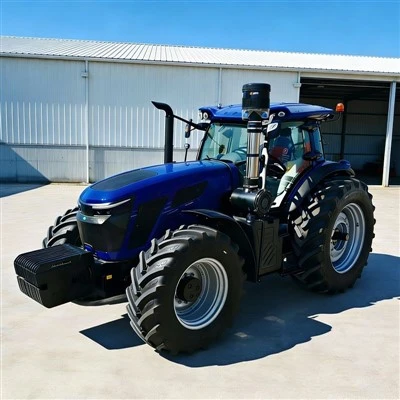
At the end of the day, farming is all about working smarter, not harder. You don’t have to be a huge agribusiness to take advantage of these tools—we’ve got models for every size farm, every budget, every type of crop. If you’re tired of missing planting windows, wasting money on inputs, dealing with back pain at the end of the day, or just not getting the consistent yields you know you can get, it’s worth checking out what power-driven implements can do for you. I’ve helped so many growers make the switch, and I can tell you—once you use a powered seeder or sprayer, you won’t want to go back to manual tools. If you’re curious about what works for your specific farm, feel free to reach out. We can chat about your needs, walk through our available models, and help you find the right tools that fit your operation, no pressure.
Utility Tractors References
- University of California Agriculture and Natural Resources. (2022). Power-Driven Agricultural Implements: Impacts on Productivity and Labor Efficiency.
- Food and Agriculture Organization of the United Nations. (2021). Smallholder Adoption of Mechanized Tools: Benefits for Yield and Cost Reduction.
- American Farm Bureau Federation. (2023). Farm Safety Report: Reducing Musculoskeletal Injuries with Power-Driven Equipment.
- USDA Economic Research Service. (2022). Input Efficiency in Modern Agricultural Production: The Role of Precision Powered Tools.
Shandong Woye Heavy Industry Co., Ltd.
As one of the most experienced agricultural implements manufacturers in China, we ensure reliable supply for global partners. We warmly welcome you to wholesale high-grade agricultural implements for sale here from our factory. Quality products and reasonable price are available.
Address: No. 7999, Health East Street, Qingchi Street, High Tech Zone, Weifang City, Shandong Province, China
E-mail: info@woyemachinery.com
WebSite: https://www.woyeagro.com/
