Hey there, if you’re on this page, chances are you’re either prepping asphalt specimens for lab testing, already using our asphalt specimen preparation equipment, or just trying to figure out why your new gear’s acting up way sooner than it should. Trust me, I’ve heard it all—clients calling panicking because their compaction molds are rusted, their cutting blades are dull in half the time, or their specimen results are all over the place. Nine times out of ten, when I dig into what’s going on, it’s not the equipment itself being bad—it’s where they’re storing it. Most folks don’t realize how big of a deal environmental humidity is for asphalt specimen prep gear, and I get it—you’re swamped with mix designs, temperature control, test schedules, so little things like storage humidity slip through the cracks. But today, let’s break this down real, no-fluff stuff, from someone who sells this gear every single day and’s worked with labs from small university ones to big state DOT facilities. Asphalt Specimen Preparation Equipment
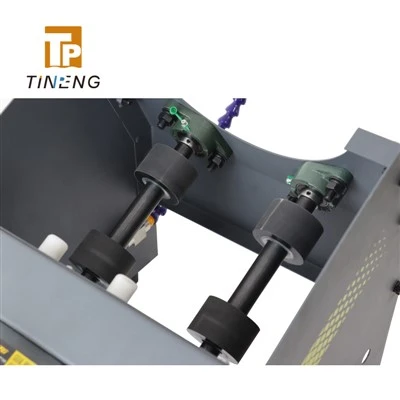
First off, let’s get one thing straight: asphalt specimen preparation equipment isn’t just random machines with metal parts. They’re precision tools. We’re talking about things like Marshall compaction hammers, gyratory compactors, wet saws for cutting core specimens, molds, mixing bowls, even the thermocouples you use to check asphalt temp. Each of these parts is built for exact measurements—if one little component gets gunked up, corroded, or warped because of humidity, your test results are garbage, and that’s a huge headache for everyone.
So what’s the sweet spot for storage humidity? Let’s keep this practical, not just a bunch of numbers. Most of the specs we follow (I’ll name the standards later) say we want to keep storage areas between 30% and 50% relative humidity (RH). Why that range? Anything below 30% is too dry. What happens there? Metal parts of your equipment—like the compaction hammer’s plunger, or the pivot points on the saw—can develop static buildup. That’s not just annoying; static can mess up tiny electronic sensors, if your gear has them (a lot of modern compactors have load sensors now). Also, super dry air makes rubber seals and O-rings crack faster. Think about it: those O-rings on your hydraulic compactor or the valves on your mixing unit—if they’re cracking, you get leaks, uneven compaction pressure, and your specimens aren’t going to meet specs.
But here’s the part almost no one talks about the other side: anything above 50% RH is just as bad, if not worse. High humidity equals moisture in the air, right? That’s when rust becomes your worst enemy. Let’s talk specific parts: your steel molds—Marshall molds, Superpave gyratory molds (SPGs)—these are precision-machined to exact dimensions. If they’re stored in a humid space without being dried off after use, moisture sits on the surface, starts oxidizing, and leaves rust spots. Those rust spots? They scratch the inside of the mold, which means when you compact asphalt, you get uneven density distribution, and your specimen’s not going to pass the stability or flow tests. We’ve had clients send back perfectly good molds because they stored them in a basement that hit 70% RH in the summer, and the inside was pitted. Total waste of money.
High humidity also eats at your cutting blades. The diamond blades on wet saws—wait, I know you use water when cutting specimens, but if you store that blade wet, sitting in a pool of water in a humid cabinet? Rust forms on the metal core of the blade, and the diamond grit starts coming loose. Suddenly you’re spending twice as much on replacement blades, and your cuts are rough instead of smooth, which means you can’t get accurate thickness measurements for your HMA (hot mix asphalt) tests. Even electronic parts—control panels, display screens, the motors on compactors—are at risk for corrosion when humidity’s too high. Moisture seeps into the casing, causes short circuits, and now you’re looking at thousands in repair bills instead of just a few bucks for a dehumidifier.
Wait, but I know what some of you are thinking—“My lab is climate-controlled for test specimens, why can’t I just leave the equipment in the test area?” Newsflash: test areas for asphalt are often kept at, say, 25°C, but humidity can swing if the area isn’t built for that. Also, test areas are usually crowded with other specimens, sample bags, logs, so there’s no dedicated space for gear. And let’s be real—when you’re done with a long day of prepping specimens, you don’t want to haul 50-pound compaction hammers back to a climate-controlled test area. Storing them in a nearby room that’s just for equipment makes sense, but only if that room is properly set up for humidity control.
Let’s get into some common mistakes I see all the time. First, folks just leave equipment out on the workbench after use, wiping it once with a rag. Big no-no. Even if you think you wiped all the water off the mixing bowl or the mold, there’s usually a tiny bit of moisture left in the crevices. If that space has even 55% RH overnight, that moisture will attract more humidity, and rust starts forming in like 12 hours. Second, they use cheap dehumidifiers that don’t get the job done. A lot of small labs will plug in a $50 dehumidifier, but if your equipment storage room is big (like 10×15 or more), that thing’s barely moving the needle. Third, they don’t check humidity regularly. I had a client last year who swore his storage area was fine, but when we stopped by, we found it was at 65% RH—he’d never bought a cheap hygrometer, so he had no clue. That’s like checking your tire pressure once a year; you’re setting yourself up for problems.
What about extreme cases? I’ve worked with clients in coastal areas, where humidity is always high—like 60-70% year-round. For those guys, the standard 30-50% range is harder, but not impossible. They just need a bigger dehumidifier, maybe even a desiccant system, and they have to do a monthly check of all metal parts for rust. On the flip side, clients in dry areas—like parts of Arizona or Nevada—where humidity can drop to 10% in the summer. They don’t need a big dehumidifier; they actually need a humidifier to keep it above 30% RH, to prevent that static and seal cracking. That’s another thing—one size doesn’t fit all. The location of your lab directly affects what you need for storage humidity.
Wait, let’s tie this back to why it matters for you, not just random technical stuff. If your equipment is stored in the right humidity, you get two big wins: longer equipment life, and more consistent test results. Let’s do the math: a good Marshall mold costs around $200, a good diamond cutting blade is $150. If you store them right, those parts last 2-3 times longer. That’s real money saved for your lab. And for test results? The asphalt industry relies on these tests for everything—mix designs, job specs, pavement performance. If your specimen is compacted in a pitted mold, or cut with a dull blade because of humidity, your results will be off, which can lead to bad mix designs, rejected materials, or worse, pavement failures later on. That’s not just a lab problem—it’s a road safety problem, and you don’t want that on your hands.
Now, let’s talk about what the actual standards say, because I know a lot of you follow ASTM or AASHTO. ASTM D6926, which is the standard practice for preparing asphalt specimens, mentions that equipment storage should be in a controlled environment with “moderate relative humidity” to prevent corrosion and dimensional changes. AASHTO T166, which covers the preparation of compacted asphalt specimens, echoes that, specifying that storage areas should avoid high moisture levels that can affect metal and electronic components. It’s not just a random number I pulled out of thin air—it’s backed by decades of lab testing and field experience.
But here’s the thing—you don’t have to become a humidity expert to get this right. For most small to mid-sized labs, the solution is simple: pick a dedicated storage space for your asphalt specimen prep equipment, grab a basic hygrometer (they’re like $20 on Amazon, super easy to use), and get a dehumidifier or humidifier to keep RH between 30 and 50%. Also, make it a habit to wipe down all equipment, molds, and parts with a dry cloth after each use, and maybe even spray a light, food-grade silicone spray on metal parts once a month to prevent rust (just make sure it’s food-grade, not something that’ll get on your asphalt specimens). And every week, check that hygrometer. It takes 2 minutes, and it can save you thousands in repairs and bad test results.
I should also mention that we, as asphalt specimen preparation equipment suppliers, don’t just sell you machines and walk away. We tell you this stuff because we’ve seen what happens when labs skip these steps. We get calls every week from people asking why their new compactor is already having issues, and 9 times out of 10, it’s storage humidity. So when you’re setting up your lab, don’t forget the storage part—it’s just as important as the machine itself.
Look, at the end of the day, asphalt specimen prep is all about precision, and every little environmental factor adds up. Humidity isn’t the only thing, but it’s one of the biggest, most overlooked ones. If you’re struggling with storage conditions, or you’re looking for new equipment that’s built to handle a range of humidity levels (we make ours with sealed electronic components and rust-resistant metal parts specifically for this), we’re here to help. We’ve worked with hundreds of labs to set up proper storage plans, answer questions about equipment maintenance, and make sure your specimens and your gear stay in top shape.
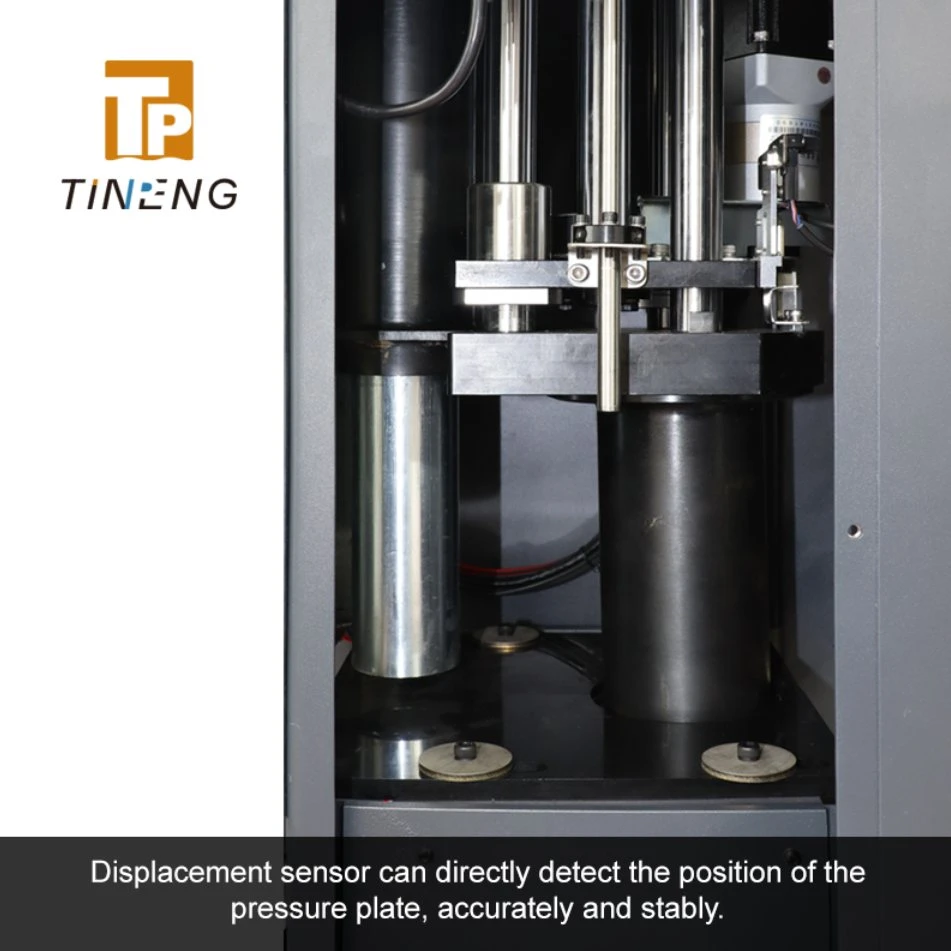
So if you need more info on humidity control for your asphalt specimen prep equipment storage, or you’re ready to upgrade your gear, reach out to us to talk through your needs. No jargon, no pushy sales stuff—just straight answers for your lab. Let’s make sure your tests are accurate, your gear lasts, and you don’t have to deal with preventable headaches because of bad storage habits.
Fresh Concrete Testing Equipment References
ASTM D6926 – Standard Practice for Preparation of Asphalt Specimens for Laboratory Testing
AASHTO T166 – Standard Method of Test for Preparation of Compacted Asphalt Specimens
National Asphalt Pavement Association (NAPA) – Laboratory Equipment Maintenance Best Practices for Asphalt Specimen Preparation
Zhuozhou Tianpeng Imp. and Exp. Trade Co., Ltd.
Zhuozhou Tianpeng Imp. and Exp. Trade Co., Ltd. is one of the most professional asphalt specimen preparation equipment manufacturers and suppliers in China, featured by quality products and good price. Please rest assured to buy advanced asphalt specimen preparation equipment made in China here from our factory. Customized orders are welcome.
Address: Building C28, Hegu Technology Industrial Park, Development Zone, Zhuozhou, Hebei, China
E-mail: zhangdajing@testmould.com
WebSite: https://www.testmould.net/
