If you’ve ever walked through a metal fabrication shop, a plastic injection molding floor, or a sheet metal stamping facility, the hum of large forming equipment isn’t just background noise—it’s the backbone of thousands of products, from car body panels to kitchenware, from medical device casings to aerospace components. For anyone investing in this kind of machinery, one of the most common questions I get as a forming equipment supplier is: “How long will this actually last?” Forming Equipment
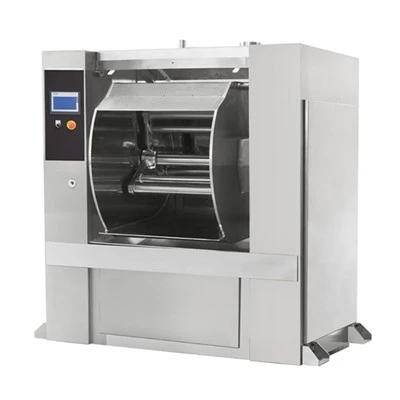
I’ve been in this industry for 18 years, working with everything from small 10-ton hydraulic press brakes used by local custom fabricators to 1,200-ton transfer presses running 24/7 for automotive parts manufacturers. The truth is, there’s no one-size-fits-all answer to lifespan. A machine that lasts 20 years for one customer might only make it 10 years for another—and that difference rarely comes down to build quality alone. Let’s break down what really determines how long forming equipment serves you, and what you can do to extend that service life.
First, let’s define what we mean by “lifespan.” There are two key numbers here: the physical, technical lifespan (how long the machine can operate safely and consistently, even if it’s not meeting modern production needs) and the functional lifespan (how long it remains useful for your specific operations, before obsolescence or declining performance makes it worth replacing). Many customers mix these up, which leads to confusion. A well-built old press might still run perfectly, but if it’s not energy-efficient, can’t integrate with your new automation software, or can’t hit the precision tolerances required for your latest product line, its functional lifespan is already over—even if its technical lifespan has years left.
Physical lifespan starts with the core design and manufacturing, and that’s where the differences between quality equipment become obvious. When I worked as an application engineer early in my career, I visited a shop that had a 30-year-old mechanical stamping press still running daily. The frame was cast from high-grade ductile iron, not the cheaper gray iron some suppliers use for budget models. The crankshaft was forged alloy steel, not cast steel. The guide rails were precision-ground and heat-treated to resist wear, instead of the machined mild steel you’d find on lower-end machines. That press wasn’t just a relic—its owner had rebuilt the wear parts at 10-year intervals, and it had decades left if he ever wanted to keep using it.
On the flip side, I also saw a customer buy a budget hydraulic press from a new overseas supplier 7 years ago, and he’s already looking to replace it. The frame developed a stress crack after 5 years because it was too thin, and the seals started leaking hydraulic fluid just last year. The manufacturer cut corners on material thickness and quality control, so even with regular maintenance, it’s not going to hit 15 years. That’s why, as a supplier, we emphasize to customers that the upfront cost isn’t the only factor—quality components and robust engineering add years to physical lifespan.
But once you’ve got a solid machine, how you use it matters more than almost anything else. Let’s talk about usage intensity. If you run a press 8 hours a day, 5 days a week, doing the same standard job, it’s going to last much longer than a machine running 24/7, 6 days a week, switching between different part sizes every few hours. We had a customer in the appliance industry who runs a 400-ton forming press 24/7 for 12 years straight, and it’s still going strong—because he stuck to the operating parameters we set for it, never exceeding its maximum tonnage or speed, and stuck to a strict maintenance schedule. Another customer, a job shop that takes on custom projects, ran his 200-ton press at 110% of its rated tonnage for years to rush orders, and the main frame cracked at the 8-year mark. Overloading is one of the fastest ways to kill a forming machine.
Then there’s the environment. Forming equipment is tough, but it doesn’t like extremes. If your press is in a shop with high humidity, metal shavings flying everywhere, and fluctuating temperatures, parts will wear faster. Metal shavings can get into guide rails and bearings, causing abrasive wear that makes the machine less precise over time. Humidity can cause rust on moving parts, or damage electrical components. We had a customer in a coastal area who didn’t have proper ventilation around his forming line, and the electrical control panels corroded in 5 years, leading to constant downtime. Another customer, in a dry, dusty region, had filters that were changed once a year instead of every 3 months, and dust got into the hydraulic system, causing valve failure. Even a small environment control plan can add years to your machine’s life.
Maintenance is the secret sauce. I can’t stress this enough. Every forming machine comes with a detailed maintenance manual—most customers either ignore it or pick and choose which parts to service, and that’s where they go wrong. Routine maintenance isn’t just oil changes (though that’s a big one). It’s checking and adjusting the alignment of the press ram every few months, lubricating guide rails and bearings on schedule, inspecting hydraulic hoses for leaks or wear, testing safety systems monthly, and calibrating sensors and controls annually. We have a service team that works with customers to create custom maintenance plans, and I’ve seen machines that ran for 25+ years because their owners followed those plans, versus machines that needed major overhauls at 10 years because maintenance was neglected.
Now, what about obsolescence, which is the main driver of functional lifespan? The manufacturing industry moves fast. 10 years ago, forming equipment might have had a simple PLC control system. Today, most new machines come with touchscreen interfaces, connectivity for Industry 4.0 monitoring, automated die changing systems, and integration with robotic arms for material handling. If your machine can’t sync with your other equipment, can’t collect data to track production rates, or can’t handle the higher precision tolerances of new products, it’s going to become obsolete long before its physical parts wear out. That doesn’t mean you have to replace a perfectly good machine every 10 years, though. Many of our customers upgrade the control systems on their older presses for a fraction of the cost of a new machine, extending their functional lifespan by another 10 years. We did a retrofit for a customer last year who had a 15-year-old stamping press; we swapped out his old control system for a modern touchscreen, added die position sensors, and connected it to his facility’s MES (manufacturing execution system), and he got another 8 years of usable life out of the machine.
So, putting this all together, what’s the average lifespan of forming equipment? For a quality, mid-range machine operated under normal conditions (8-hour days, 5 days a week, proper environment and maintenance), you’re looking at 15 to 20 years of solid service, with physical life potentially extending to 25 years with proper upkeep. For higher-end, heavy-duty equipment running 24/7 for automotive or aerospace applications, that range might be 12 to 18 years of operational life, with physical components lasting 20+ years if serviced regularly. Budget machines, on the other hand, might only last 7 to 12 years, even with good maintenance, because of lower-quality materials and components.
But here’s the thing: the lifespan isn’t a fixed number etched in stone. As a forming equipment supplier, our job isn’t just to sell you a machine—it’s to help you maximize its life. That means matching the machine to your specific production needs, not just the cheapest option. It means working with you to set up a maintenance schedule that fits your operation, not just a generic one. It means offering retrofits and upgrades when your needs change, so you don’t have to replace a machine that’s still in good shape.
I’ve seen customers buy a machine and treat it like a black box, only calling for help when it breaks. Those are the customers who end up replacing equipment every 10 years. The customers who succeed are the ones who treat their forming equipment like the investment it is—they learn how it works, follow the maintenance rules, and plan for upgrades instead of replacements.
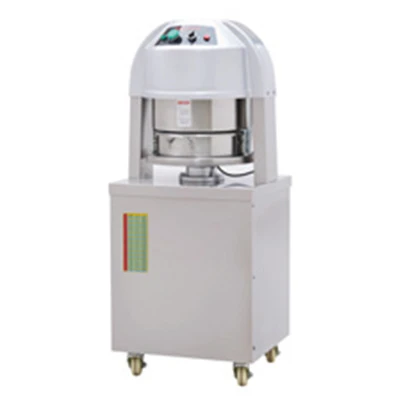
If you’re currently evaluating forming equipment for your shop, or you have an older machine that’s starting to show its age, I’d be happy to sit down with you to talk through your specific needs. We can walk through what kind of production volume you run, the types of parts you make, and your long-term goals, to help you choose equipment that will serve you for years to come, or figure out the best way to extend the life of the machine you already have. Whether you’re a small custom fabricator just starting out, or a large manufacturing facility looking to upgrade your line, we’ve worked with all kinds of operations to find the right forming solutions that balance performance, longevity, and value. If you’d like to chat more, feel free to reach out to our team to set up a consultation. We’re here to help you make the most of your forming equipment investment, for as long as possible.
Cake Cutting Machine References:
- The Fabricator Magazine. (2021). “Maximizing Forming Equipment Service Life: A Guide for Manufacturers.”
- Precision Metalforming Association (PMA). (2022). “Life Cycle Assessment of Metal Forming Presses.”
- ISO 9001:2015. (2020). “Quality Management Systems – Requirements for Design, Development, and Manufacturing of Industrial Forming Equipment.”
- Machinery Lubrication Magazine. (2019). “The Impact of Proper Lubrication on Industrial Equipment Lifespan.”
- Automotive Manufacturing Solutions. (2023). “Retrofitting vs. Replacing Forming Equipment: A Cost-Benefit Analysis.”
Guangdong Pinchain Machinery Co., Ltd.
As one of the most professional forming equipment manufacturers and suppliers in China, we have world-leading production equipment and strong manufacturing capabilities. Please feel free to wholesale advanced forming equipment made in China here from our factory.
Address: Room 302, Building 9, CIMC High tech Intelligent Manufacturing Center, No.3 Chanxing 1st Road, Xianyong Village, Chencun Town, Shunde District, Foshan City, Guangdong Province
E-mail: kowa@bakingmachinery.com
WebSite: https://www.bakingsmachinery.com/
