If you’ve ever walked past a freshly renovated office lobby, a cozy residential nook with a marble-patterned accent wall, or a retail storefront with a sleek, frosted glass partition, chances are you’ve encountered decorative film. As a decorative film supplier, I spend a lot of time talking to architects, interior designers, homeowners, and small business owners about this product—its versatility, its ability to transform spaces quickly and affordably, and, yes, the safety concerns that keep some people up at night. Over the past 12 years in this industry, I’ve seen every angle of these concerns: from a homeowner worrying about fumes in their newborn’s nursery to a facility manager asking about fire safety for a high-traffic school. The truth is, decorative film, like any building material, has safety considerations—but most of them are tied to how a product is made, how it’s installed, and how it’s used. In this post, I want to break down the real safety concerns with decorative film, separate fact from fear, and share what we do as a supplier to address every one of these issues. Decorative Film
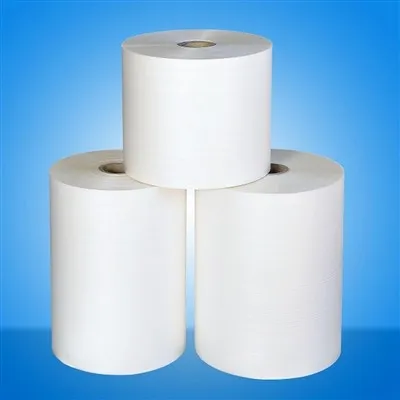
First, let’s talk about the most common concern I hear: chemical emissions, specifically volatile organic compounds (VOCs). For anyone who’s spent time around new construction, VOCs aren’t a new term—they’re the gases released from many paints, adhesives, and plastics that can cause short-term symptoms like headaches, dizziness, or irritated eyes, and in extreme cases, long-term health risks. Decorative film isn’t exempt from this, but not all films are created equal. Early decorative film products, which hit the market in the 1990s and early 2000s, relied heavily on solvent-based adhesives and PVC (polyvinyl chloride) as a base material. Those films would emit high levels of VOCs for days, or even weeks, after installation— I still get calls from clients who had a bad experience with a cheap, no-name film from a big-box store that left their kitchen smelling like chemicals for a month. But that was then. Today’s regulatory standards and manufacturing practices have shifted dramatically. Most reputable decorative film suppliers now use water-based adhesives and low-VOC or PVC-free base materials for residential and commercial applications. For context, our top-selling residential line of decorative film has a VOC content of less than 5 grams per liter—far below the EPA’s limit of 50 grams per liter for low-VOC building materials. We also third-party test every batch of film for formaldehyde, phthalates, and other heavy metals, all of which are banned or strictly limited in our products for use in nurseries, hospitals, and schools. That said, I always warn our customers that even low-VOC products can have a slight smell right after installation. The fix is simple: open windows and run fans for 24 to 48 hours post-installation, and the scent will dissipate completely. The older solvent-based films never fully off-gas—they just release their VOCs more slowly over time—so that’s a key difference between a quality product and a cheap alternative.
Next on the list: fire safety. This is a critical concern, especially for commercial spaces like restaurants, office buildings, and K-12 schools, where fire codes are non-negotiable. Decorative film is a thin plastic layer applied to a surface, so it’s natural to worry about how it performs in a fire. The good news is that most decorative film products are rated for flame resistance when installed correctly, but there are caveats. First, not all films are created with fire safety in mind. We see a lot of budget films that are unrated, meaning they haven’t been tested to meet national fire safety standards like NFPA 701 (the standard for flame resistance in interior finish materials) or ASTM E84 (which measures surface burning characteristics). For commercial clients, we never sell unrated film, because that’s not just a safety risk—it’s a code violation. But I also want to be transparent: even rated decorative film can have limits. For example, if you apply fire-rated decorative film to a wooden surface that’s already highly flammable, the film can only slow, not stop, the spread of fire. That’s why we work closely with our commercial clients to advise them on where film is appropriate and when to use complementary products, like fire-retardant primers, if needed. Another common question: does decorative film release toxic fumes when burned? The answer depends on the film’s material. PVC-based film can release hydrochloric acid when burned, which is harmful, but all of our commercial-grade PVC-free films use a polyolefin base that releases non-toxic, non-corrosive fumes when burned—on par with the materials used in furniture and flooring. We also test every fire-rated batch for smoke density, which is another key factor in fire safety—high smoke density can make it hard to evacuate a space, even if flames are contained. Our film has a smoke density rating of less than 450, well below the limit of 450 for most commercial applications.
Another safety concern that often comes up, especially for residential use, is accidental injury from adhesive residue or film removal. I know this sounds counterintuitive, but it’s a real issue. If you’ve ever tried to remove old decorative film, you know how sticky the adhesive can be. Cheap films use permanent, aggressive adhesives that can leave residue on glass, walls, or countertops that’s almost impossible to remove without scraping, which can scratch delicate surfaces like marble or stainless steel. Worse, harsh solvents used to remove that residue—like acetone or strong paint thinners—can damage surfaces or even release harmful fumes, especially when used in small, enclosed spaces like bathrooms or closets. That’s why all of our films are designed with two adhesive options: permanent for high-traffic areas like commercial glass partitions, and removable for residential use and spaces that might need updates in a few years. The removable adhesive is strong enough to stay in place for 5 to 7 years, but it peels off in one clean sheet with no residue left behind—we’ve tested this on glass, painted drywall, tile, and even quartz countertops, and we’ve never had a customer report damage from removal. For customers who do have old residue from a previous film, we also sell a gentle, citrus-based adhesive remover that’s safe for all surfaces and emits no harsh fumes—perfect for small DIY projects.
Then there’s the often-overlooked concern of structural or surface damage from decorative film. Wait, how can a thin film damage a surface? It’s all about installation. A lot of homeowners and small business owners try to install decorative film themselves, which can lead to mistakes that damage walls, glass, or wood. For example, if you don’t properly clean a surface before applying film, dust or grime can get trapped under the film, creating bubbles that look bad and can peel over time. Worse, if you use too much or too little pressure during installation, you can stretch the film or cause it to adhere unevenly, which can lead to tearing during removal later. We’ve had customers come to us after a DIY installation where they ripped a section of a new drywall or scratched a glass window while trying to fix a bubble. That’s why as a supplier, we always offer free installation guides for every product, plus we partner with professional installers in most regions who are certified to work with our film. We even offer a free 15-minute consultation for any customer who wants to do a DIY install, walking them through step-by-step on cleaning surfaces, applying the film, and fixing small mistakes. For commercial clients, we require professional installation not just for safety, but for warranty purposes—our commercial warranty is void if the film is installed by an uncertified party, because we’ve seen too many installation mistakes that lead to premature failure.
Now, I want to address the one concern that still lingers in the back of many people’s minds: microplastics. In an era where everyone is talking about plastic pollution, it’s no surprise that people worry about decorative film ending up in landfills or breaking down into microplastics. This is a valid concern, and it’s one we’ve taken very seriously as a supplier. First, let’s clarify: decorative film is designed to be durable, which means it doesn’t break down easily in standard waste streams. But that doesn’t mean it has to end up in landfills forever. We now offer a take-back program for all our used decorative film, whether it’s from residential or commercial projects. We partner with a plastic recycling facility that processes the film into new products, like outdoor decking or plastic lumber, so it never becomes microplastics. We’ve recycled over 12,000 square feet of film since we launched the program two years ago, and we’re on track to double that number this year. Additionally, our most popular residential line is 100% recyclable, and our commercial line is 95% recyclable—we’ve eliminated all non-recyclable components like metalized layers from our products. We also avoid PVC in almost all of our products now, because PVC is one of the hardest plastics to recycle and has a higher environmental impact than polyolefin or PET, the materials we use now. That said, I’m not going to pretend that decorative film is zero-waste. It’s still a plastic product, and it’s important to dispose of it responsibly. That’s why we’re always working with our manufacturers to develop even more sustainable products, including a plant-based decorative film line that’s currently in testing and will launch next year.
At the end of the day, the safety concerns around decorative film boil down to one thing: quality. A lot of the fear comes from low-cost, untested film that cuts corners on materials and manufacturing to save a few dollars. As someone who’s been in this industry for over a decade, I’ve seen firsthand the difference between a $0.50 per square foot film and a $3 per square foot film. The cheap one might look the same in the store, but it will off-gas for months, fail fire codes, leave residue, and end up in a landfill. The quality film we supply is third-party tested, regulated, designed to be safe for homes and businesses, and easy to install and remove. That’s not to say there are no risks at all—any building material has risks if it’s misused. For example, you wouldn’t use a fire-rated film meant for glass on a wooden cabinet, just like you wouldn’t use a permanent commercial film in a nursery. But with the right product, installed correctly, those risks are minimal.
I always tell our customers that decorative film is one of the safest, most versatile building materials you can use to transform a space. It’s less expensive than tile, paint, or stone, it can be installed in a fraction of the time, and when you choose a reputable product, it meets all safety standards for homes, schools, and offices. That doesn’t mean you shouldn’t ask questions: ask for VOC test results, fire safety ratings, removal instructions, and recycling policies. If a supplier can’t give you those answers, that’s a red flag.
If you’re considering decorative film for your next project—whether it’s a residential accent wall, a commercial storefront, or a window treatment—we’re here to help. We can answer all your safety questions, recommend the right product for your space, and connect you with certified installers if you need support. We know that safety is the most important factor in any building material, and we take that responsibility seriously. We don’t just sell film—we sell peace of mind, knowing that your space is beautiful and safe for everyone who uses it.
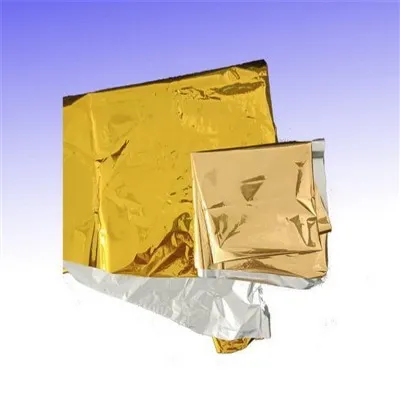
If you’re ready to discuss your project or have more questions about decorative film safety, we’d love to connect with you to find the right solution for your needs.
Soft Touch Laminating Film References
American National Standards Institute. (2022). Standard for Surface Burning Characteristics of Building Materials (ASTM E84). National Fire Protection Association. (2021). Standard for Flame Resistant Fabrics and Films for Interior Finishes (NFPA 701). U.S. Environmental Protection Agency. (2023). Low-Volatile Organic Compound (VOC) Building Materials Standards. Indoor Air Quality Association. (2022). Guide to Chemical Emissions Testing for Interior Building Materials.
Yantai Hongqing Packing Material Co., Ltd.
Yantai Hongqing Packing Material Co., Ltd. is one of the most professional decorative film manufacturers and suppliers in China, also supports customized service. Welcome to wholesale advanced decorative film made in China here and get quotation from our factory. Quality products and reasonable price are available.
Address: Eastern Industrial Park, Taocun, Yantai, Shandong Province, China
E-mail: cindy@ythongguang.cn
WebSite: https://www.hqingnewmat.com/
