In the dynamic landscape of battery technology, cylindrical cells have emerged as a cornerstone for various applications, from consumer electronics to electric vehicles. One crucial yet often overlooked process in the production of cylindrical cells is vacuum standing. As a dedicated supplier of cylindrical cell vacuum standing solutions, I’ve witnessed firsthand the significance of this step in ensuring the quality and performance of the end product. But the question that frequently arises is: Are there any standards for cylindrical cell vacuum standing? Cylindrical Cell Vacuum Standing
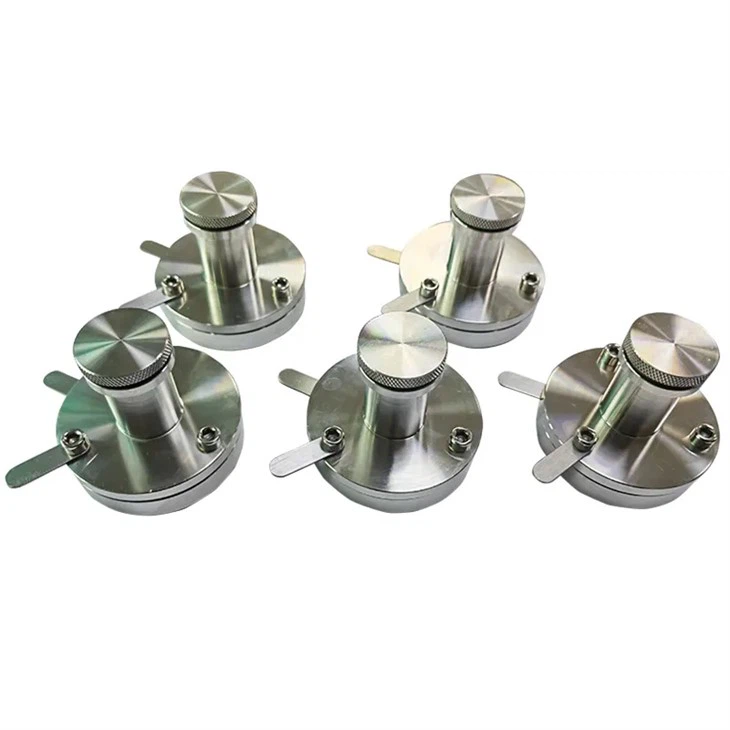
Understanding Cylindrical Cell Vacuum Standing
Before delving into the standards, it’s essential to understand what cylindrical cell vacuum standing entails. After the electrolyte is injected into the cylindrical cell, the cell is placed in a vacuum environment for a specific period. This process serves multiple purposes. Firstly, it helps to remove any residual air bubbles that may have formed during the electrolyte injection. These air bubbles can impede the flow of ions within the cell, leading to reduced performance and potentially shorter lifespan. Secondly, vacuum standing allows the electrolyte to fully penetrate the porous electrodes, ensuring uniform distribution and better contact between the electrolyte and the active materials.
The Need for Standards
In any manufacturing process, standards play a vital role in ensuring consistency, quality, and safety. The same holds true for cylindrical cell vacuum standing. Without clear standards, manufacturers may adopt different practices, leading to variations in the quality of the final product. These variations can have a significant impact on the performance, reliability, and safety of the batteries, which are critical factors, especially in applications such as electric vehicles and aerospace.
Existing Industry Standards
While there isn’t a single, universally recognized set of standards for cylindrical cell vacuum standing, several industry standards and guidelines indirectly influence this process. For example, the International Electrotechnical Commission (IEC) has established standards for battery safety and performance. These standards cover aspects such as electrical performance, mechanical safety, and environmental compatibility. Although they don’t specifically mention vacuum standing, the quality and consistency achieved through proper vacuum standing are essential for meeting these broader standards.
Similarly, automotive manufacturers often have their own strict requirements for the batteries used in their vehicles. These requirements may include specifications for the electrolyte filling process, which indirectly affects the vacuum standing step. For instance, some automotive companies may specify the maximum allowable air content in the battery after vacuum standing, which in turn determines the vacuum level and duration required during the process.
Key Parameters in Cylindrical Cell Vacuum Standing
When it comes to setting standards for cylindrical cell vacuum standing, several key parameters need to be considered:
Vacuum Level: The vacuum level is one of the most critical parameters. A higher vacuum level can more effectively remove air bubbles from the cell. However, it’s important to strike a balance, as excessive vacuum levels can cause the electrolyte to boil or evaporate, leading to electrolyte loss and potential damage to the cell. Typically, the vacuum level for cylindrical cell vacuum standing ranges from -0.08 MPa to -0.1 MPa.
Duration: The duration of vacuum standing also plays a crucial role. Longer durations generally allow for better electrolyte penetration and air removal. However, this needs to be optimized based on the specific cell design and electrolyte properties. For some small cylindrical cells, a vacuum standing time of 1-2 hours may be sufficient, while larger cells or those with more complex electrode structures may require 4-6 hours or even longer.
Temperature: Temperature can significantly affect the viscosity of the electrolyte and the diffusion rate of ions. Therefore, maintaining a stable temperature during vacuum standing is essential. Most manufacturers aim to keep the temperature within a narrow range, typically between 20°C and 30°C, to ensure consistent results.
Challenges in Establishing Standards
Despite the clear need for standards, establishing them for cylindrical cell vacuum standing is not without challenges. One of the main challenges is the diversity of cylindrical cell designs and chemistries. Different cell types may require different vacuum standing conditions to achieve optimal results. For example, lithium-ion cells with different cathode materials (such as LiCoO₂, LiFePO₄, or NMC) may have different electrolyte requirements and sensitivities to vacuum standing parameters.
Another challenge is the rapid pace of technological innovation in the battery industry. As new battery chemistries and designs are developed, the existing standards may quickly become outdated. This requires continuous research and development to adapt the standards to the latest advancements.
Our Approach as a Supplier
As a supplier of cylindrical cell vacuum standing solutions, we understand the importance of providing customized and reliable equipment that meets the specific needs of our customers. We work closely with battery manufacturers to understand their cell designs, production processes, and quality requirements. Based on this information, we develop tailored vacuum standing systems that can precisely control the key parameters, such as vacuum level, duration, and temperature.
In addition to providing high-quality equipment, we also offer comprehensive technical support and training to our customers. Our team of experts is available to assist with installation, commissioning, and troubleshooting, ensuring that our customers can achieve the best results from our vacuum standing systems.
The Future of Standards for Cylindrical Cell Vacuum Standing
Looking ahead, I believe that we will see more standardized practices for cylindrical cell vacuum standing. As the battery industry continues to grow and evolve, there will be an increasing need for consistency and quality across the supply chain. This will drive the development of more specific and detailed standards for all aspects of battery production, including vacuum standing.
Moreover, with the growing demand for sustainable and high-performance batteries, there will be a greater emphasis on optimizing the vacuum standing process to reduce energy consumption and improve overall efficiency. This may lead to the development of new technologies and techniques that can further enhance the quality and reliability of cylindrical cells.
Conclusion
In conclusion, while there isn’t a comprehensive set of standards for cylindrical cell vacuum standing at present, the need for them is undeniable. By adhering to best practices and considering the key parameters such as vacuum level, duration, and temperature, battery manufacturers can ensure the quality and performance of their cylindrical cells. As a supplier, we are committed to supporting the industry in achieving these goals by providing innovative and reliable vacuum standing solutions.
Pouch Cell Pilot Line If you are a battery manufacturer looking to improve the quality of your cylindrical cells through optimized vacuum standing, we would love to hear from you. Our team of experts can help you assess your specific needs and develop a customized solution that meets your requirements. Reach out to us today to start a conversation about how we can work together to elevate your battery production process.
References
- International Electrotechnical Commission (IEC) standards on battery safety and performance.
- Industry reports on battery manufacturing processes and quality control.
Shenzhen Meirui Zhida Technology Co., Ltd.
Shenzhen Meirui Zhida Technology Co., Ltd. is one of the most professional cylindrical cell vacuum standing manufacturers and suppliers in China, specialized in providing high quality products with low price. If you’re going to buy bulk discount cylindrical cell vacuum standing made in China, welcome to get pricelist and quotation from our factory.
Address: 104 Building 6, Second Industrial Zone, Shanmen Community, Yanluo Street, Baoan District, Shenzhen China
E-mail: mrbest@szmrbest.com
WebSite: https://www.szmrbest.com/
