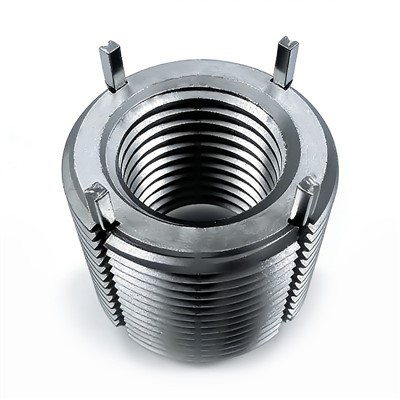
As a supplier of self – tapping inserts, I’ve witnessed firsthand the importance of proper storage in preventing damage to these precision components. Self – tapping inserts are widely used in various industries, from automotive and aerospace to electronics and furniture manufacturing, due to their ability to create strong and reliable threads in a variety of materials. However, if not stored correctly, they can be subject to damage that can compromise their performance and functionality. In this blog post, I’ll share some practical tips on how to store self – tapping inserts to prevent damage. Self-Tapping Inserts
Understanding the Risks of Improper Storage
Before delving into storage methods, it’s crucial to understand the potential risks associated with improper storage. Self – tapping inserts are typically made of high – strength materials such as steel, stainless steel, or brass. These materials can be susceptible to corrosion, rust, and mechanical damage if exposed to unfavorable conditions.
Corrosion and rust are major concerns, especially for inserts made of ferrous metals like steel. Moisture and humidity in the air can cause oxidation, which weakens the material and can lead to the formation of rust. Rust not only affects the appearance of the inserts but also reduces their strength and can make it difficult for them to tap into the material properly.
Mechanical damage is another common issue. Inserts can be scratched, bent, or chipped if they are not stored in a way that protects them from physical impact. Even minor damage to the cutting edges or the body of the insert can significantly affect its performance, leading to poor thread quality and reduced holding strength.
Choosing the Right Storage Environment
The first step in preventing damage to self – tapping inserts is to choose the right storage environment. The ideal storage area should be clean, dry, and well – ventilated.
Temperature and Humidity Control: Maintaining a stable temperature and humidity level is essential. The recommended temperature range for storing self – tapping inserts is between 10°C and 30°C (50°F and 86°F), with a relative humidity of less than 60%. High humidity can accelerate the corrosion process, so it’s important to use dehumidifiers in areas where the humidity is consistently high. In colder climates, it’s also important to prevent the storage area from freezing, as extreme cold can cause the material to become brittle and more prone to damage.
Cleanliness: The storage area should be free of dust, dirt, and debris. Dust particles can scratch the surface of the inserts and contaminate the threads, while dirt and debris can cause mechanical damage if they come into contact with the inserts. Regularly clean the storage area and use air filters to remove airborne particles.
Ventilation: Good ventilation helps to prevent the buildup of moisture and fumes. Ensure that the storage area has adequate air circulation by using fans or opening windows and doors when possible. This will help to keep the air fresh and reduce the risk of corrosion.
Selecting Appropriate Storage Containers
Once you’ve established the right storage environment, the next step is to choose appropriate storage containers for your self – tapping inserts.
Sealed Containers: Sealed containers are an excellent choice for protecting inserts from moisture, dust, and physical damage. Plastic or metal containers with tight – fitting lids can effectively seal out the elements and keep the inserts safe. Make sure to label the containers clearly with the type, size, and quantity of inserts inside to make it easy to find the right ones when needed.
Divided Trays: Divided trays are useful for storing inserts of different sizes and types separately. This helps to prevent them from rubbing against each other and causing damage. You can use plastic or metal trays with compartments to keep the inserts organized and protected.
Anti – Static Packaging: For inserts that are used in electronic applications, anti – static packaging is essential. Static electricity can cause damage to sensitive electronic components, so it’s important to store the inserts in anti – static bags or containers. These bags are designed to dissipate static charges and protect the inserts from electrostatic discharge.
Organizing and Labeling
Proper organization and labeling are key to ensuring easy access to your self – tapping inserts and preventing damage.
Sorting by Type and Size: Sort your inserts by type and size to make it easier to find the ones you need. This also helps to prevent mixing different types of inserts, which can lead to damage if they are not compatible. You can use storage racks, cabinets, or drawers to organize the inserts in a logical manner.
Clear Labeling: Label each storage container or compartment clearly with the type, size, and quantity of inserts inside. Use permanent markers or label makers to ensure that the labels are legible and long – lasting. This will save you time and effort when searching for specific inserts and reduce the risk of accidentally using the wrong ones.
Handling and Transport
Even with proper storage, self – tapping inserts can still be damaged during handling and transport. Here are some tips to minimize the risk of damage:
Use Appropriate Tools: When handling inserts, use appropriate tools such as tweezers or pliers to avoid touching the inserts with your bare hands. The oils and moisture from your skin can cause corrosion over time. Make sure the tools are clean and free of any debris that could scratch the inserts.
Protect During Transport: If you need to transport the inserts, make sure they are well – protected. Use padded boxes or containers to prevent them from moving around and getting damaged during transit. You can also use dividers or foam inserts to provide additional cushioning.
Inspection and Maintenance
Regular inspection and maintenance of your self – tapping inserts are essential to ensure their long – term performance.
Visual Inspection: Periodically inspect the inserts for any signs of damage, such as rust, scratches, or bends. If you notice any damage, remove the damaged inserts from the storage area and replace them with new ones. This will help to prevent the damaged inserts from being used and causing problems in the production process.
Lubrication and Cleaning: Depending on the type of inserts and the storage environment, it may be necessary to lubricate or clean them periodically. Some inserts may require a light coating of lubricant to prevent corrosion, while others may need to be cleaned to remove any contaminants. Follow the manufacturer’s recommendations for lubrication and cleaning to ensure the best performance.
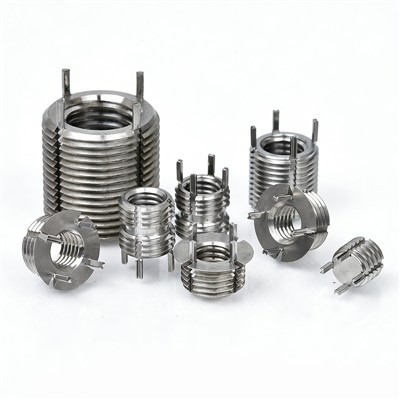
In conclusion, proper storage of self – tapping inserts is crucial for preventing damage and ensuring their long – term performance. By choosing the right storage environment, using appropriate storage containers, organizing and labeling the inserts, handling and transporting them carefully, and conducting regular inspection and maintenance, you can significantly reduce the risk of damage and ensure that your inserts are always in good condition when you need them.
Key Locking Inserts If you’re in the market for high – quality self – tapping inserts or have any questions about storage or usage, I encourage you to get in touch with me. We offer a wide range of self – tapping inserts that are designed to meet the needs of various industries. Please feel free to contact me to discuss your specific requirements and start a procurement negotiation. I’m confident that we can provide you with the best solutions for your projects.
References
- Handbook of Fastening Technology.
- Manufacturing Engineering Magazine articles on precision component storage.
- Self – tapping inserts product manuals from industry – leading manufacturers.
Locking Inserts Technologies Co., Ltd.
As one of the most professional self-tapping inserts manufacturers and suppliers in China, we’re featured by quality products and good service. Please rest assured to wholesale bulk self-tapping inserts in stock here from our factory. Also, custom service is available.
Address: 205, 2/F, Bldg. A8, Zhizaogu Ind. Park, No.26 Xingye 5th Rd, Bao’an Dist., Shenzhen, Guangdong, P.R.China
E-mail: sales@lockinginserts.com
WebSite: https://www.lockinginserts.com/
