If you’ve ever stood near a gas pipeline compression station at dusk, when the hum of motors mixes with the rustle of surrounding trees, you’re witnessing one of the most underappreciated feats of energy infrastructure in the modern world. As a gas transport pipeline supplier, I spend most of my days talking to operators, engineers, and even a few small town managers who’ve never stopped to ask how that 36-inch steel line doesn’t surge, stall, or end up spilling unplanned gas somewhere along its 200-mile route. The truth is, gas flow regulation isn’t a single machine or a magic switch—it’s a layered system of sensors, valves, and human expertise that keeps the energy flowing reliably, day in and day out. Gas Transport Pipelines
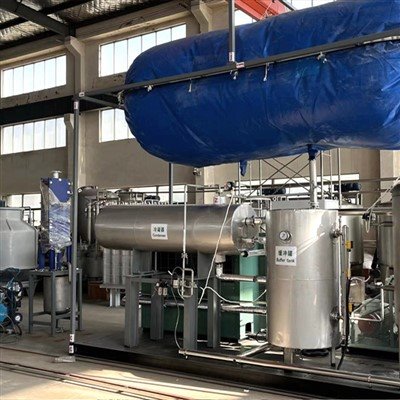
Let’s start with the basics. Natural gas, in its transported form, is mostly methane, compressed to roughly 800 to 1,100 pounds per square inch (psi) to cut down on the space it takes to move. Left unregulated, this high-pressure gas would race through a pipeline like water through a fire hose, which is both unsafe and inefficient. That’s why the first line of defense for flow control lives right at the start: at the inlet of any main pipeline segment, where pressure control valves monitor incoming gas pressure and adjust to match the set pressure for that stretch of line. I remember a story from a client in the Midwest a few years back—they had a cold snap that pushed residential gas demand up 20% in three days. Their inlet valves, which had been calibrated for mild winter temperatures, couldn’t keep up with the sudden surge in supply, leading to a temporary dip in pressure that left a handful of homes without heat. We worked with their engineering team to install flow control skids that paired those inlet valves with real-time pressure transmitters, so every adjustment was automated, not manual. That’s the kind of practical, on-the-ground solution we focus on, not just textbook specs.
Next comes the middle of the pipeline, where things get a bit more dynamic. Most long-haul pipelines aren’t just straight runs—they have compression stations every 50 to 100 miles, which not only boost pressure after gas naturally loses momentum to friction but also act as secondary regulation points. Modern compression stations use variable-speed drives (VSDs) on their motors, rather than the old fixed-speed engines that would either run full tilt or shut off. That means if a section of pipeline needs less gas because a nearby processing plant is offline, the VSD can slow the compressor down, reducing flow without wasting energy on unnecessary power. I’ve seen clients save up to 15% on their annual energy bills just by swapping fixed-speed compressors for VSD-integrated regulation systems—small changes that add up, especially for operators managing 10,000+ miles of line.
One of the most misunderstood parts of gas flow regulation is the network of sensors along the pipeline itself. These aren’t just for leak detection—though they do that, too. Every mile or so, operators place pressure and temperature sensors that feed data to a central control room. If a section of line has a pressure drop, that could mean a leak, but it could also mean increased demand at a delivery point. Our team designs pipeline systems with distributed sensor networks that can distinguish between those two scenarios in real time. For example, if a sensor 30 miles from a delivery point shows a sharp pressure drop, the control room doesn’t just hit an emergency shutoff valve—they check the delivery point’s flow data. If that point’s demand spiked, they adjust the upstream regulation valves to compensate, keeping gas moving without wasting the time or energy of a shutdown.
Delivery points are where regulation gets even more precise. When gas reaches a local distribution system, which runs at much lower pressure (often less than 100 psi), pipeline operators use meter regulators and control valves to step down the pressure gradually. Local distribution companies rely on these regulators to keep gas pressure consistent for homes and businesses, even when multiple appliances turn on at the same time. Last year, we worked with a utility in the Northeast that was experiencing frequent customer complaints about inconsistent gas pressure during morning rush hour. We installed modular delivery regulator skids that matched their peak demand cycles—so during 7 to 9 a.m., when residential use jumps, the regulators adjust to deliver more gas without overpressurizing the local lines. The complaints stopped within a month, and the utility reduced its maintenance costs by 10% because the skids required fewer repairs than their old, one-size-fits-all regulators.
It’s important to note that regulation isn’t just a set-it-and-forget-it system. Pipeline operators have to adjust for factors like temperature, which affects gas volume—colder air makes gas denser, so the same pressure can move more gas in winter than in summer. We provide our clients with annual calibration and maintenance services for their regulation equipment, because a valve that’s out of line by just 5 psi can throw off flow rates, lead to wasted energy, or even create safety hazards. I’ve been in rooms with operators who’ve been doing this for 30 years, and they’ll tell you that the best regulation systems are the ones that balance automation with human oversight. Sensors can catch a pressure spike, but a trained engineer can look at the bigger picture—like upcoming weather forecasts that will affect demand—and make a subtle adjustment before a problem arises.
Safety is another core part of flow regulation. Emergency shutdown (ESD) valves are placed at key points along pipelines, designed to shut off gas flow instantly if a pressure spike or drop indicates a rupture. But ESD valves aren’t for everyday use—they’re the backup, not the primary regulation tool. That’s why we emphasize designing systems with layered regulation: primary control valves for everyday flow, secondary valves for adjusting demand, and ESD valves only as the last line of defense. A few years ago, we consulted on a pipeline in the Gulf Coast that had a minor pipeline rupture caused by a construction crew. Thanks to their layered system, the control room activated the ESD valve automatically, but the primary regulation valves had already slowed flow enough to contain the leak to a small section, rather than the entire line. That’s the kind of reliability that matters.
Now, if you’re an operator looking to upgrade your gas transport pipeline’s flow regulation system, the first step is to assess your specific needs. A pipeline running through flat terrain will have different flow characteristics than one that runs through mountain passes, where gravity affects how gas moves. A system serving residential areas will have different demand cycles than one serving industrial factories that run 24/7. Our team works with every client to audit their existing system, identify bottlenecks, and design a regulation setup that fits their operational needs—not a generic off-the-shelf solution. We don’t just sell valves or sensors; we provide end-to-end support, from initial design through installation and ongoing maintenance.
If you’re ready to talk about how to improve your gas flow regulation, reduce energy waste, or increase reliability for your pipeline, I encourage you to reach out to our team to schedule a procurement consultation. We can walk you through case studies, show you how our regulation systems have helped operators across North America, and answer any questions you have about scaling your infrastructure to meet growing demand. There’s no one-size-fits-all when it comes to gas transport, and the right regulation system is the difference between a pipeline that runs smoothly and one that causes headaches (and costs) for everyone involved.
Combustion Gas Capture Device References
- American Gas Association. (2022). Natural Gas Pipeline Flow Regulation and Control. Arlington, VA: American Gas Association.
- International Pipeline and Hazardous Materials Safety Administration. (2021). Safety Standards for Gas Pipeline Regulation Systems. Washington, D.C.: U.S. Department of Transportation.
- Pipeline Engineering and Construction International. (2023). Modern Flow Control Technologies for Long-Distance Gas Transport. Houston, TX: Gulf Publishing Company.
- Compressed Air and Gas Institute. (2022). Variable-Speed Drive Applications in Pipeline Compression Stations. Cleveland, OH: Compressed Air and Gas Institute.
Xinxiang Jiale Intelligent Equipment Co., Ltd.
As one of the most professional gas transport pipelines manufacturers and suppliers in China, we’re featured by quality products and good service. Please rest assured to buy durable gas transport pipelines for sale here from our factory. We also accept customized orders.
Address: No.3913, 9th Floor, Unit 3, East Commercial and Office Complex, Baolong City Plaza, Hongqi District, Xinxiang City, Henan Province, China
E-mail: cc2397410@gmail.com
WebSite: https://www.jiale-asu.com/
