Hey folks, if you’ve ever walked past a modern building with sleek, colorful wall panels that look like they can stand up to pretty much anything, you might’ve wondered—wait, are those PS panels? And more importantly, can they actually work on exterior walls? As a PS Wall Panel supplier who’s been in this game for almost 7 years, I get this question all the time. It’s not some random “can it hold up?” doubt; a lot of folks still associate PS (polystyrene, for the uninitiated) with cheap, flimsy stuff you use for beanbag chairs or kids’ crafts. Let me set the record straight: yes, PS wall panels absolutely can be used for exteriors—if you pick the right type, install them right, and maintain them properly. PS Wall Panel
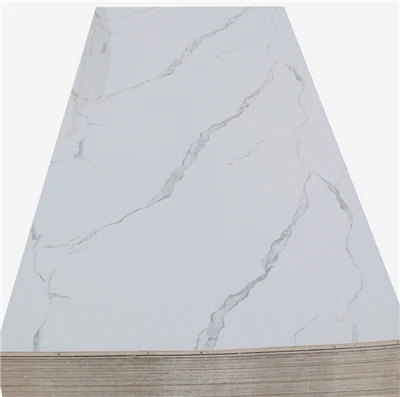
First off, let’s clear up the PS confusion because there are two main types most people mix up, and one of them is never going to work outside. Expanded Polystyrene (EPS) is the lightweight, foamy stuff you see packing fragile electronics, right? That’s the one that crumbles if you bend it, melts in direct sunlight, and gets ruined by rain. Then there’s Extruded Polystyrene (XPS)—that’s the heavy-duty version we use for exterior wall panels. It’s denser, it has a closed-cell structure, and that’s the one we supply as exterior-grade panels. Don’t get me wrong, even XPS isn’t unbreakable, but it’s way more durable than EPS, which is why it’s the go-to for commercial and residential exteriors these days.
Let’s talk about the big one for exteriors: weather resistance. I’ve had a customer in Miami reach out last year, worried about hurricane season and salt air from the coast. We sent them our XPS panels with a UV-stabilized coating, and 18 months later, they texted me a photo of their building still looking brand new. Why’s that coating matter? Uncoated XPS will turn yellow and get brittle if left in the sun for too long, but exterior-grade PS panels have that extra layer of acrylic or polyester that reflects UV rays. Rain? Closed-cell structure means water beads right off, no seeping into the panel to cause mold or rot. Unlike wood siding that warps or metal that rusts, these panels don’t hold moisture—even in areas with heavy rainfall, they’ll keep their shape.
Another huge win for exteriors is insulation. Wait, exterior insulation? Yeah, that’s a thing now, especially with energy costs through the roof. XPS has an R-value of about 5 per inch, which means it keeps your building warm in winter and cool in summer. Our clients say they cut their heating bills by 20-25% after switching to these panels. And since they’re installed on the outside, you don’t lose interior space to insulation—win-win. Compare that to brick, which is heavy and doesn’t insulate nearly as well, or stucco that cracks and lets air leak through. PS panels are lightweight, so you don’t even need to reinforce the wall structure, which saves on construction costs.
But hold on, it’s not all sunshine and palm trees—there are a few catches, and I’ve seen people mess this up. The first is installation. If you just glue them to the wall without leaving room for expansion and contraction, they’ll buckle. PS panels expand when they get hot, shrink when it’s cold, so you need a small gap between each panel, around 1/8 inch, and use a flexible adhesive, not super glue. We always send installation guides with every order, and we do free demos for big contractors because a bad install can ruin even the best panels. Another catch is fire safety. A lot of people think PS is flammable, and yeah, uncoated XPS will burn, but our exterior panels have a Class B fire rating—meaning they’re hard to ignite and self-extinguish. If you need a higher rating, we can also supply Class A, which is required for some commercial buildings like schools or hospitals. Just make sure you check your local building codes before you buy; that’s non-negotiable.
I’ve seen so many exterior wall projects work out great with PS panels. Last year, a small café in Portland used our gray textured PS panels instead of wood because wood was getting too expensive and rotting after 3 years. Now their café has a sleek, industrial look, and the panels are holding up to the Pacific Northwest’s rain and cold. Another client in Arizona used them to cover their adobe home, which used to get unbearably hot inside. After installing the XPS panels with a white UV coating, their AC runs half as much, and the walls don’t get that sticky, hot feeling you get with adobe.
What about the myth that PS panels are bad for the environment? Let’s talk. XPS is 100% recyclable—we take old panels back from job sites and turn them into new ones. And since they’re energy-efficient, they reduce the carbon footprint of the building over time way more than materials that take a ton of energy to manufacture, like vinyl siding. The recycled content in our panels is around 25%, and we’re working to bump that up to 50% next year. Yeah, it’s not perfect, but it’s way better than a lot of other exterior options out there.
So, when should you go with PS exterior panels? If you want something lightweight, cost-effective, energy-efficient, and low-maintenance, these are a solid choice. If you’re in an area with super extreme conditions—like a desert with 120-degree days or a cold climate with heavy snow—just make sure you get UV-stabilized panels and proper insulation. If you’re doing a DIY project, stick to small jobs like a shed or a small porch; leave big commercial builds to licensed contractors who know how to handle expansion joints and adhesives.

I get why there’s confusion, honestly. Ten years ago, PS panels were mostly used for indoor stuff, like basement walls or decorative accents. But the technology has changed a lot. The UV coatings, the fire resistance, the closed-cell structure—all that makes them way more suited for outdoors now. I’ve been selling these for years, and I can count on one hand the number of complaints I’ve had, and all of those were from people who installed them wrong or bought cheap, uncoated panels from a no-name supplier.
PS Wall Panel Look, if you’re considering exterior wall panels and you’re tired of dealing with rotting wood, rusting metal, or expensive brick, give our exterior-grade PS panels a shot. I’ve helped hundreds of contractors and homeowners pick the right panels for their projects, and I can walk you through everything—from choosing the thickness to the right adhesive to even finding a reliable installer in your area. Don’t waste time and money on materials that don’t last. Reach out to us to chat, no pressure, just honest answers about whether PS panels are a fit for your project.
References
- American Society of Heating, Refrigerating and Air-Conditioning Engineers (ASHRAE). 2021. "Insulation Materials and R-Value Standards."
- International Code Council (ICC). 2022. "Exterior Wall Construction and Fire Safety Requirements."
- National Association of Home Builders (NAHB). 2020. "Sustainable Exterior Siding Options: Cost and Durability Comparison."
- Extruded Polystyrene Manufacturers Association (EPMA). 2021. "XPS Panel Weather Resistance and Installation Guidelines."
Shandong Fanjie International Trade Co., Ltd.
As one of the most professional ps wall panel manufacturers in China, we have world-leading production equipment and strong manufacturing capabilities. Please feel free to buy bulk high quality ps wall panel from our factory. We also accept customized orders.
Address: L4-015 Cross border E-commerce Entrepreneurship Park, Lanshan District, Linyi City, Shandong Province
E-mail: info@lsdec.com
WebSite: https://www.fanzeradecor.com/
