If you’ve ever walked into a residential construction site, or even helped swap out a faulty pipe under a bathroom sink, you’ve probably seen CPVC pipes tucked alongside copper and PEX tubing. As a CPVC pipes supplier who’s worked directly with plumbers, DIY enthusiasts, and general contractors for over a decade, I get asked one question more than any other: Are CPVC pipes easy to install? It’s a fair question—install time directly impacts project budgets, timeline, and even how happy a homeowner or crew is on job day. I’ve installed enough CPVC runs (and watched others fumble with traditional pipe materials) to break this down with practical, on-the-ground perspective, no sales fluff required. CPVC Pipes
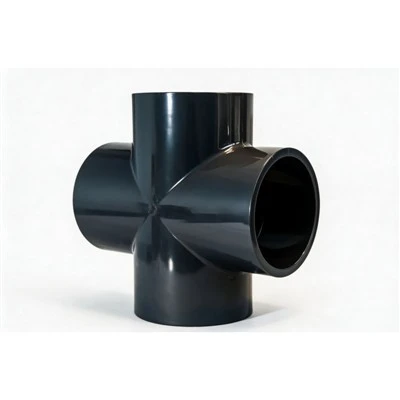
Let’s start with the basics: CPVC stands for Chlorinated Polyvinyl Chloride, a thermoplastic that’s chemically modified to handle hot and cold potable water—way more than standard PVC pipe, which is meant for drains, not drinking water. When I first started in this industry, CPVC was a niche product; now it’s a go-to for everything from small apartment remodels to large commercial developments, and ease of installation is a huge part of why. But “easy” is relative, right? It’s not the same as, say, unscrewing a compression fitting on a copper pipe, and it’s not as tedious as threading black iron pipe. Let’s break down the real steps, the tools you need, and the common mistakes that make CPVC feel less user-friendly than it actually is.
First, the tools. If you’re familiar with cutting PVC, you already have most of what you need for CPVC. A plastic pipe cutter, a small hacksaw, or even a miter saw with a fine-tooth blade will work, but here’s where the “easy” part shines: CPVC cuts smoother than copper, no burrs that require extra sanding. Wait, no burrs? Yeah, that’s a big one. Copper pipes leave sharp, uneven edges when cut, which means you have to deburr every end to avoid scratches on your O-ring or cement later. CPVC cuts clean enough that a quick wipe with a damp rag (or even just your thumb, if you’re in a pinch) is usually enough—no extra sandpaper step. That saves minutes per joint, and when you’re working on a 500-foot run, those minutes add up to hours.
Next, the joint itself. CPVC uses solvent cement to bond pieces, no soldering, no flame, no messy flux. If you’ve ever soldered copper, you know how stressful that can be: you need perfect pipe prep, steady heat, the right amount of flux, and enough time for it to cool before you can turn on the water. Miss one step, and you’ve got a leak that’ll flood a wall or subfloor. With CPVC solvent cement, it’s almost foolproof for people who take the time to do it right. The process is simple: clean the inside of the fitting and the outside of the pipe with a primer (yes, primer is non-negotiable, skip that and your joint will fail), apply a thin, even layer of cement, push the pipe into the fitting, twist it a quarter turn to spread the cement evenly, and hold it for 10 to 15 seconds. That’s it. No heat, no waiting for heat to dissipate, no risk of burning nearby drywall or insulation. I’ve watched DIY homeowners tackle a bathroom remodel in a weekend using CPVC and come away with zero leaks, which I can’t say for the group that tried to solder copper on their own and had to call me in to fix a burst pipe 48 hours later.
But let’s be honest—CPVC isn’t “easy” for everyone. It requires a little more planning than, say, PEX tubing, which can be routed around corners without cuts or fittings. If you’re working with complex runs that require multiple 90-degree elbows or long straight sections, CPVC cuts and bonds just fine, but you have to measure carefully. A bad cut on CPVC means you have to trim the end and re-cut, whereas with PEX a small mistake is easier to work around. Also, solvent cement has a shelf life, and if you use old, thick cement it won’t bond right. That’s a common mistake for DIY folks who buy a tube of cement and leave it in their garage for a year. As a supplier, I always tell my customers: check the expiration date on the cement, and if it’s been open more than 6 months, grab a new one. That’s a small tip that avoids so many headaches.
Another big point: size matters. For small-diameter pipes (½ inch to 1 inch, the most common for residential sinks, showers, and water heaters), CPVC is incredibly easy to work with. They’re light, easy to carry, and fit in one hand while you apply cement. But when you get to larger sizes—2 inches and up, for commercial main lines or whole-house water supplies—things get a little heavier, and the torque needed to hold the pipe while it sets a full 10 seconds is more work. It’s not impossible, and plumbers do it every day, but it’s definitely not as “easy” as a ½-inch run. That’s a key distinction: ease of installation is most dramatic in the residential sizes, which make up 90% of the CPVC pipe I sell.
Now, let’s talk about the nitty-gritty that makes CPVC stand out from other pipes when it comes to installation ease, and where it can go wrong. First, pressure testing. I’ve heard so many people say, “CPVC takes forever to pressure test,” but that’s not my experience. Once the joints set (usually 15 minutes for small runs, 30 minutes for larger), you can pressure test at standard residential levels (100 psi) with no risk. Copper needs to cool after soldering, and black iron needs to be threaded and sealed with Teflon tape, which can sometimes have gaps. CPVC joints are solid almost immediately, so you can move to the next step faster. That’s a huge time saver on a job where every day of delay costs the contractor money.
But wait, what about temperature? CPVC can handle up to 180 degrees Fahrenheit, which is perfect for hot water, but if you’re working in an area with extreme cold, the pipe can get brittle if it’s cut below 40 degrees. That’s not a fault of CPVC’s installation—it’s just a property of thermoplastics. I always tell customers working in cold climates to store their CPVC pipes inside for 24 hours before installation, and to warm the cut ends a little if it’s below freezing. That small step prevents cracking, which is easy to avoid if you plan ahead.
DIY vs. professional installation: let’s not pretend every plumber knows how to work with CPVC, and not every DIYer can swing a pipe cutter straight. But as someone who trains both pros and DIYers on CPVC installation, I can say this: CPVC has a much lower learning curve than copper or black iron. I’ve had a homeowner with zero plumbing experience cut, bond, and pressure test a whole-house water line in a day, something that would take twice as long if they were working with copper. For professionals, the time saved on each joint adds up. A copper joint takes about 5 minutes to solder and cool; a CPVC joint takes 90 seconds to bond and set. Multiply that by 100 joints, and that’s 6.5 extra hours on a job—hours that a contractor can bill for other work, or save on labor costs.
I’ve also seen common myths that make people think CPVC is hard to install. One of the biggest is that the joints will leak over time. But the bonding process for CPVC is actually stronger than the pipe itself, if done correctly. The solvent cement melts the outer layer of the pipe and the inner layer of the fitting, so they fuse into a single piece—no gap, no weak point. I’ve installed CPVC runs in homes that are 20 years old, and they haven’t had a single leak. Compare that to some black iron installations I’ve seen from the same era, where rust and threaded gaps cause leaks every few years.
Another myth: CPVC can’t be used for underground lines. That’s not true, but you do need to use the right type—Schedule 80 CPVC for underground, not Schedule 40. The installation is almost the same: cut, clean, cement, but you have to use a special primer and cement for underground use, and protect the pipe from UV rays if it’s exposed before burial. It’s still easier than digging a trench for a copper main line, which needs to be soldered and tested before burial.
Now, let’s get real about when CPVC might not be the easiest option. If a project has a lot of tight, complex bends that would require multiple fittings, PEX might be easier. You can bend PEX around corners without cutting, which means fewer joints. But for straight runs, which are most of a plumbing system, CPVC is just as easy, if not easier. Also, if you’re working in a space where you can’t have any open flame (like a kitchen with old cabinets, or a bedroom with drywall that’s near a heater), CPVC is way safer. No soldering torch means no risk of starting a fire, which is a huge safety win for installation teams.
As a supplier, I’ve worked with thousands of customers, and the feedback about installation ease is consistent: residential plumbers love CPVC because it cuts down on time and stress, DIYers love it because it’s accessible, and the only complaints come from people who skip the basic steps (like not using primer, or using old cement). That’s why I always include a free installation guide with every order, and offer quick, 10-minute video walkthroughs for anyone who’s new to CPVC. It’s not that CPVC is “impossible” to install—it’s just like any other material: you need to follow the right steps, and it’ll be smooth.
So, to circle back to the original question: Are CPVC pipes easy to install? For most applications, especially residential and small commercial, absolutely. They’re lightweight, easy to cut, require no flame or soldering, have a short set time for joints, and are forgiving if you pay attention to the basics. That said, they’re not the easiest for every job—large commercial main lines in cold climates might be more work, and projects with complex bends might be better suited to other materials. But if you’re working on a standard plumbing install, from a single bathroom remodel to a whole house, CPVC is one of the easiest, most reliable options out there.
If you’re planning a plumbing project and want to learn more about which CPVC products work best for your needs, or need help sourcing materials for your next job, feel free to reach out for a consultation. We’re here to answer your questions, provide installation tips, and help you get the right pipes for your project.
UPVC Pipe Fittings References:
- International Residential Code (IRC). (2021). Chapter 24: Plumbing, Chlorinated Polyvinyl Chloride (CPVC) Pipe. International Code Council.
- CPVC Pipe and Fitting Institute. (2022). Installation Best Practices for Potable Water CPVC.
- Plumbing-Heating-Cooling Contractors Association (PHCC). (2023). Comparative Installation Guide for Thermoplastic Piping Systems.
- U.S. Environmental Protection Agency (EPA). (2021). Drinking Water System Materials: CPVC for Potable Water Distribution.
Anhui Weidong Pipeline Technology Co., Ltd.
As one of the most professional CPVC pipes manufacturers and suppliers in China, we have world-leading production equipment and strong manufacturing capabilities. Please feel free to buy high quality CPVC pipes at competitive price from our factory. Welcome to contact us for quotation.
Address: No.35 Hongyuan Avenue, Economic Development Zone, Huoshan County, Lu’an City, Anhui Province
E-mail: 18056040225@163.com
WebSite: https://www.wdpipe.com/
