If you’ve ever watched a construction crane lift a ton of steel, a garbage truck compact its load, or even a commercial airplane’s landing gear retract after takeoff, you’ve witnessed hydraulic systems in action. But have you ever stopped to wonder how those systems hold pressurized fluid without leaking, don’t let air sneak in, and keep every moving part working smoothly? That’s where hydraulic seals come in, and as someone who supplies hydraulic components for a living, I can tell you these little parts are way more important than most people give them credit for. Hydraulic Components
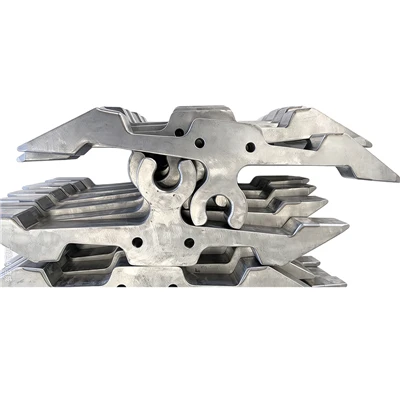
Let’s start with the basics. What even is a hydraulic seal? At its core, a hydraulic seal is a small, precision-machined component made of rubber, polyurethane, PTFE, or a mix of these materials, designed to fit between two moving or stationary parts in a hydraulic system. Their main jobs? Keep pressurized hydraulic fluid (that thick, specialized oil we use to transfer power) exactly where it needs to be—no leaking out— and block contaminants like dust, dirt, or water from sneaking into the system where they can cause big problems. Some seals even work double-duty, stopping fluid from mixing between different parts of the system, like keeping brake fluid separate from the power steering fluid in a heavy truck.
I know what some of you are thinking: “A small rubber ring can’t be that big a deal, right?” Wrong. I’ve been in this industry for 12 years, and I’ve seen way too many equipment breakdowns that started with a failed seal. A few years back, a local construction company brought in a broken excavator that’d been sitting on a jobsite for three days. They thought it was a big hydraulic pump failure or a cracked cylinder head—turns out, a $15 polyurethane seal had worn out, let all the pressure bleed out of the lift cylinder, and when they tried to force it to work, they busted a $8,000 cylinder rod. That little part saved us a lot on repair costs, but I also learned just how crucial these seals are to keeping big machines running.
So why do these tiny components matter so much? Let’s break down the key roles, straight from what I see every day on the supply floor. First, pressure retention. Hydraulic systems run on pressure—you need 3,000 to 5,000 PSI (pounds per square inch) for most heavy equipment, and some industrial systems hit 10,000 PSI or more. If a seal fails, pressure drops. No pressure means no power. That means a crane can’t lift steel, a garbage truck can’t compact its bins, and a forklift can’t stack pallets. A single seal failure can shut down an entire worksite, cost thousands in downtime, and even delay a project that’s under a tight deadline. We’ve had customers come to us in a panic at 2 a.m. on a weekday because a seal went out on a critical piece of equipment for a highway job—delaying that job could’ve cost them $10,000 an hour, easy.
Next, contamination control. This is the side of seals a lot of people don’t talk about, but it’s a big one. Hydraulic fluid is only as clean as the system it’s in. Dust, dirt, metal shavings, or water that gets into a cylinder can scratch the inside of the bore, damage the pump, or clog valves. Seals, especially the wiper seals you see on the outside of cylinders, keep that gunk out. Last year, a factory that makes farm equipment sent us a batch of replacement wiper seals because their old ones were too soft—dirt got past, wore out their cylinder bores, and they had to replace 12 cylinders instead of just the seals. If they’d used the right, tough polyurethane seals from the start, they would’ve saved over $15,000 in repairs. It’s not just about the seal itself; it’s about preventing way bigger issues downstream.
Then there’s wear protection. Seals reduce friction between moving metal parts. Without them, a piston sliding back and forth in a cylinder would grind against the metal wall, creating heat and wearing out both parts way faster. Good seals glide smoothly, so the parts last longer, the system runs more efficiently, and you don’t have to replace components as often. I tell every new customer: investing in high-quality seals saves you money in the long run, even if they cost a little more upfront. Cheaper, low-grade seals might work for a few months, but they’ll wear out fast, lead to downtime, and end up costing way more than buying the right part the first time.
Now, let’s get into the different types of hydraulic seals, because not all seals are made the same—you can’t use a wiper seal for a pressure cylinder, for example. We stock a range of types for every job, so it’s not one-size-fits-all. Let’s go over the most common ones I see:
- Piston Seals: These go on the piston inside a hydraulic cylinder, and they’re meant to contain pressure on either side of the piston. You’ll mostly find them made of polyurethane because it’s tough, can handle high pressure, and resists wear. We use this type for excavator lift cylinders, forklift tilt cylinders, and most heavy-duty industrial applications.
- Rod Seals: These fit around the rod that sticks out of the cylinder, keeping fluid from leaking out the end. Rod seals have to be flexible enough to move with the rod, but tough enough to seal against pressure. They’re often paired with wiper seals on the outside, which we’ll talk about next.
- Wiper Seals (or Dust Seals): These are the ones on the outer edge of the cylinder, right where the rod comes out. Their whole job is to wipe dirt, dust, and water off the rod as it retracts, so that gunk doesn’t get pushed into the cylinder. We stock rubber and polyurethane wipers—polyurethane is better for outdoor jobsites where there’s a lot of mud or sand.
- Back-up Rings: These aren’t technically seals, but they work with seals to make them last longer. When a seal is under high pressure, it can get squeezed into the small gap between the piston and cylinder wall, which causes it to wear out fast. Back-up rings (usually made of PTFE or hard rubber) fill that gap, so the seal stays in place longer. We always recommend using them for systems running over 1,500 PSI—they save so much money on seal replacements.
A common question we get: what causes hydraulic seals to fail? It’s not just “they wore out” 90% of the time. From what I’ve seen, the top reasons are: wrong seal material for the job, contaminated hydraulic fluid, incorrect installation, or operating conditions that are too harsh. For example, if someone uses a rubber seal designed for indoor industrial use on a garbage truck that sits outside in rain and extreme temperatures, the rubber will crack in cold weather or swell in heat, and it’ll fail way faster. Or if a technician installs a seal without cleaning the groove it sits in, a tiny piece of dirt will nick the seal, and it’ll leak after a few hours of use. That’s why we always offer free advice on which seal to use—we don’t just sell parts, we make sure our customers get the right part for their specific machine and operating conditions.
Another thing: these seals are used in more places than just heavy equipment. They’re in everything from car braking systems (hydraulic brake seals) to airplane flight controls, to factory automation robots, even some medical equipment like hydraulic patient lifts. Every time a system needs pressurized fluid to move a part, a seal is there keeping it working. So even if you don’t work in construction or manufacturing, you’re probably relying on hydraulic seals every day and not even knowing it.
As a supplier, what does this mean for how I do business? It means we don’t just stock random seals—we test every batch we get to make sure they meet the standards for pressure, wear resistance, and temperature. We also keep a wide range in stock so we can get parts to customers fast, because downtime is expensive. A contractor can’t wait three days for a seal to show up when their jobsite is shut down. That’s why we prioritize quick shipping, and we have a team that can help customers identify exactly which seal they need, even if they’re not sure of the part number. We’ve got guys who’ve been in this long enough to look at a machine, know what seal it needs, and get it right the first time—no guesswork.
Let me wrap this up: hydraulic seals aren’t flashy, but they’re the unsung heroes of every hydraulic system. They keep pressure up, keep gunk out, reduce wear, and stop small problems from turning into expensive breakdowns. If you’re in construction, manufacturing, farming, or any industry that relies on hydraulic equipment, skimping on seals is one of the worst mistakes you can make.
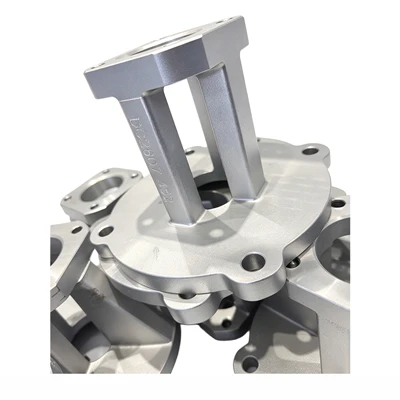
If you’re dealing with a failed seal, or you just need to stock up on quality parts for your machines, don’t leave your equipment’s reliability to chance. Reach out to us to talk through your hydraulic component needs—we’ll help you find the right seals, back-up rings, and everything else you need to keep your systems running smooth.
External Locking Device References:
- Hydraulic Seals: Selection, Application, and Installation. Fluid Power Industry Association, 2021.
- Wear Behavior of Polyurethane Hydraulic Seals Under Contaminated Conditions. Journal of Mechanical Engineering, Vol. 67, No. 3, 2020, pp. 145-152.
- Heavy-Duty Hydraulic System Reliability: Seal Performance Guidelines. Construction Equipment Manufacturers Association, 2022.
- PTFE Back-Up Ring Design and Pressure Tolerance. Industrial Sealing Technology Quarterly, Vol. 18, No. 2, 2021, pp. 22-28.
Maoyu Mechanical Design and Manufacture Co., Ltd.
As one of the most professional hydraulic components manufacturers and suppliers in China, we are committed to providing high quality customized products with competitive price. We warmly welcome you to wholesale advanced hydraulic components made in China here from our factory. If you have any enquiry about quotation and free sample, please feel free to email us.
Address: No.12 Dongjie, Jingwei South Road, Yuci District, Jinzhong City, Shanxi Province
E-mail: quxingyu@maoyumachinery.com
WebSite: https://www.maoyumachinery.com/
