Hey there, regular and new followers—thanks for popping in today. I’m Jake, part of the team at our silicon steel coils and sheets supply business, and if you’ve ever hung around any kind of power equipment (like transformers, motors, or generators), you’ve probably seen our stuff without even realizing it. A question I get all the time from engineers, fabricators, and even some hobbyists is: how exactly do these silicon steel coils and sheets play with electric fields? It’s not like they’re just flat metal pieces that get tossed in boxes—there’s a whole lot of science going on under the surface that makes them work (or not work) the way they’re supposed to. And since I deal with this every single day, I figured I’d break it down like I would over a coffee, no stuffy textbook jargon that makes your eyes glaze over. Silicon Steel Coils and Sheets
First off, let’s hit the basics: what even is silicon steel, and why does it care about electric fields? Regular steel is mostly iron and carbon, right? Add a little silicon (usually between 1% and 5%, depending on the grade), and suddenly it becomes silicon steel—also called electrical steel, if you’ve heard that term before. The whole point of adding silicon? It reduces the steel’s electrical resistivity. Wait, resistivity is just how much a material resists electric current flowing through it, for anyone who didn’t sleep through high school physics. If something has low resistivity, electricity moves easier through it, but for silicon steel, that’s a good thing specifically when we’re dealing with alternating current (AC)—which is basically every power grid, every home outlet, and every big motor you’ve ever used.
Now, electric fields. Think of an electric field like an invisible push/pull zone around any charged object. If you have a wire carrying current, it creates an electric field around it, and that field can do a few things: induce current in nearby materials, cause eddy currents, or even generate heat if you’re not careful. That’s where our silicon steel coils and sheets come in—they’re designed to interact with these electric fields in a super specific way to make power equipment efficient, not wasteful.
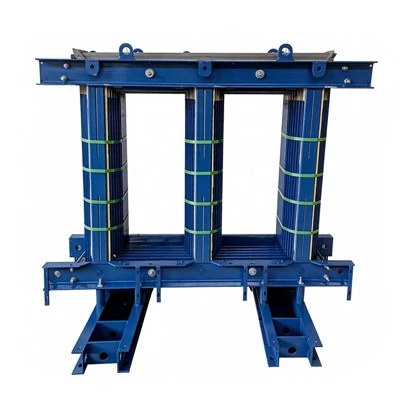
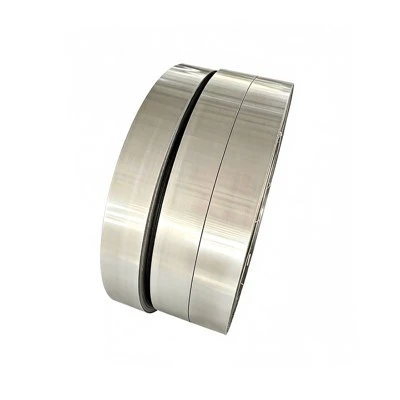
Let’s start with coils, since that’s what we sell a ton of. Coils are basically long strips of silicon steel rolled up into a tight, cylindrical shape, right? Usually, we process these into cores for transformers. Here’s where the electric field dance happens: when AC power flows through the primary winding of a transformer, it creates a changing magnetic field (wait, mix-up: changing magnetic fields create electric fields, and vice versa—important note). That changing electric field cuts through the silicon steel core, and if the core was just a solid chunk of steel, that electric field would induce massive eddy currents—loopy, unwanted currents that flow within the steel itself. Eddy currents waste energy as heat, which is bad for efficiency, and can even overheat equipment. That’s why we don’t use solid steel cores—we use thin sheets, or laminations, stacked together with a tiny insulating layer between each one.
Hold up, how does that stop eddy currents? Let’s connect it to electric fields. The eddy currents flow in circles, and each circle can only be as big as the thickness of the individual sheet, not the entire stack. So instead of one giant loop wasting tons of power, you have hundreds of tiny, tiny loops that barely add up to any waste. The insulating layer between sheets is key here too—electric fields can’t jump through that thin insulation, so the electric field that would span the whole stack is blocked, limiting how far current can flow. That’s the whole trick with silicon steel sheets: their laminations work with electric fields to cut down on those stupidly wasteful eddy currents.
Wait, but it’s not just about blocking eddy currents—silicon steel interacts with electric fields in another big way: permeability. Permeability is how well a material lets magnetic fields pass through it, which is tied closely to how it responds to electric fields (since they flip back and forth in AC). Silicon steel has super high permeability, which means it guides those changing electric/magnetic fields exactly where we want them—through the core of the transformer or motor, not leaking out into the surrounding air. If the field leaked out, it could cause other components to overheat, or even interfere with nearby electronics, which is a no-go for power grids that have to run clean.
Let me give you a real example that I see every week. Last month, we shipped a big order of grain-oriented silicon steel coils to a company making distribution transformers for rural power lines. Grain-oriented is a specific grade—we orient the steel’s crystal structure so it only interacts with electric fields in the direction we need. For transformers, that’s along the length of the core where the electric/magnetic field is strongest. A few weeks ago, one of their engineers called me panicking because their first prototype was wasting way too much energy. Turns out they used non-oriented silicon steel instead of grain-oriented, which isn’t aligned right for the field direction. Once they switched, the efficiency jumped almost 5%—not a huge number for one transformer, but multiply that by thousands of units, and that’s millions of dollars saved on energy every year. That’s how sensitive this stuff is to electric field interaction; get the grade wrong, and the whole product falls flat.
Another thing people don’t always talk about: edge effects. When you cut silicon steel sheets into the exact size a customer needs, the cut edges have tiny imperfections that mess with how electric fields interact. Think of a sharp corner—electric fields bunch up at sharp points, right? That’s called field concentration. If you have a rough, cut edge on a lamination, you get little concentrations of electric field that can cause partial discharges (small sparks, basically) over time. Those discharges eat away at the insulation between laminations, and eventually, the whole core fails. That’s why we process our sheets so carefully at our warehouse—we laser-cut or slit the edges smoothly, not with a rough shear that leaves burrs. It’s a little extra work, but it keeps our customers’ equipment running longer, no premature failures.
Wait, let’s not forget about saturation. Silicon steel has a limit, right? If the electric field gets too strong (from a really high current), the steel’s permeability drops, and it can’t guide the field anymore. That’s saturation. For some applications—like big generators or heavy-duty motors—engineers design cores that are sized so the electric field never gets strong enough to push the steel into saturation. But for other, smaller applications, they might use a slightly lower silicon grade that saturates at a lower field, which is actually what they want for things like current limiters. It’s a balancing act between electric field strength, steel grade, and application—something our team helps customers figure out all the time, because we’ve been doing this long enough to know what works.
I should also mention that not all silicon steel is the same, and that changes how it interacts with electric fields. Like I said earlier, grain-oriented (GO) is for transformers, non-oriented (NO) is for motors and generators that have fields rotating in all directions, and high-grade silicon steel is for super high-efficiency equipment, like those new energy-efficient HVAC motors. Each grade has different resistivity, permeability, and saturation points, all tuned to work with specific electric field ranges. When a customer comes to us needing sheets for a new motor, I don’t just send the cheapest ones— I ask them what voltage the motor runs at, how much power it needs, what ambient temperature it’s in, and all that stuff, because that changes how the electric field acts, and we need to match the steel to that.
Let’s circle back to why this matters for you, whether you’re a big power equipment manufacturer or a small shop putting together custom parts. If you’re using the wrong silicon steel, or not cutting it right, you’re losing energy, wasting money on electricity, and your equipment might not last as long. I hear so many stories from customers who switched to our coils and sheets from cheaper stuff and saw their energy bills drop 10-15%—that’s real, that’s measurable, and it all comes down to how the steel interacts with electric fields.
A common mistake I see new fabricators make is stacking sheets without proper insulation. Sometimes they skip the varnish or plastic coating between laminations to save a few bucks, but that lets electric fields jump between sheets, creating bigger eddy currents and way more heat. We always include samples of the right insulation coatings when we ship orders, and we’ll walk you through how to apply it if you need—this isn’t something you have to figure out on your own.
Now, I know some of you are thinking, “Okay, that’s cool, but how do I get the right silicon steel coils or sheets for my project?” Like I said, our team deals with this stuff day in and day out, so we can help you pick the right grade, thickness, and even process the sheets to your exact dimensions. No confusing sales jargon, no pressure to buy more than you need—just straight-up advice. If you’re working on a transformer, motor, generator, or any equipment that uses electric fields, we can match the silicon steel to your specific needs so you get maximum efficiency, minimum waste, and long-lasting parts.
Whether you’re a seasoned engineer who’s tried every steel grade, or a small business owner just starting out with custom power equipment, we’re here to help. We don’t just sell coils and sheets—we partner with you to make sure your project works the way it’s supposed to, because we know how important that electric field interaction is. No more wasting money on energy or faulty parts, no more guessing what steel you need.
So if you’re ready to stop dealing with underperforming components and start getting the efficiency you need, reach out to our team. We can send you free samples, answer any questions you have about electric fields or steel grades, and help you get the right order in as fast as possible. Whether you need a small batch of sheets for a prototype or a big bulk order for a new production line, we’ve got you covered. Don’t let bad steel mess up your equipment—let’s make sure you’re working with silicon steel that interacts with electric fields exactly how it should.
Silicon Steel Coils and Sheets References
- Engineering ToolBox. Electrical Steel – Silicon Steel.
- McMaster-Carr. Silicon Steel Laminations: Properties and Applications.
- International Electrical Commission (IEC) 60404-8-7: Magnetic Materials – Part 8-7: Specifications for Individual Materials – Grain-Oriented Electrical Steel.
- NEMA Standards Publication No. MOP-100: Electrical Steel for Power Equipment.
- Davis, J.R. (Ed.) Electrical Steels, ASM International.
Wuxi Zhongpu Electric Co., Ltd.
As one of the most professional silicon steel coils and sheets manufacturers and suppliers in China, we also support customized service. Please feel free to wholesale bulk high quality silicon steel coils and sheets made in China here from our factory. Welcome to contact us for pricelist.
Address: No.52 Jiankang Road, Donggang Town, Xishan District, Wuxi City, Jiangsu Province
E-mail: 13585006135@163.com
WebSite: https://www.zhongpuelectric.com/
