If you’ve ever worked in shipping, warehousing, or retail, you’ve definitely used jumbo stretch film—those huge, heavy rolls of clear, stretchy plastic that wrap pallets so securely nothing shifts during a truck ride. But if you’re like a lot of my customers, you’ve probably wondered: can this stuff actually be recycled? Because let’s be real, single-use plastics have gotten a bad rap lately, and no one wants to be throwing away pallets of film every week without a clear answer. As a supplier who’s been selling jumbo stretch film for over a decade, I’ve answered this question hundreds of times—and the truth is, it’s not a straight yes or no. Let’s break it down like we’re chatting over a coffee, no stuffy industry jargon required. Jumbo Stretch Film
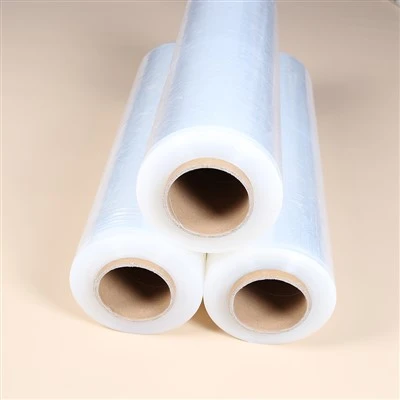
First, let’s get one thing straight: not all stretch film is created equal. The jumbo rolls I supply? Most are made from linear low-density polyethylene (LLDPE), a type of plastic that’s actually more flexible and durable than the plastic water bottles or grocery bags you’re used to. That’s good news for recycling, because LLDPE is widely accepted at most curbside or commercial recycling centers that handle plastic film. But here’s where people mess up: jumbo film can’t just get tossed into your regular plastic bin. It’s super thin (even the heavy-duty stuff) and gets tangled in recycling equipment—those big spinning machines that sort plastic, paper, and metal can jam for hours if a single big stretch film ball gets stuck. That’s why so many recycling centers used to reject it, and a lot of folks still think it’s impossible to recycle today.
Wait, but times have changed, right? A few years back, more businesses started realizing that throwing away jumbo stretch film is just a waste—both of money and resources. Now, most major recycling chains (like the ones that run grocery store plastic film drop-off bins) accept clean, dry stretch film, including jumbo rolls. That’s the key word here: clean. If your film has food residue, oil from pallets, or tape stuck to it, it’s not recyclable. And if you’re a warehouse or distribution center, you can’t just drag a 2,000-pound jumbo roll to the grocery store drop-off—that’s way too big. That’s why a lot of suppliers, myself included, now offer take-back programs. It’s a small perk we can pass along to customers, and it makes a huge difference. When we get the used film back, we send it to specialized recyclers who can process even those big rolls without jamming machines.
But let’s talk about the myth that stretch film can’t be recycled at all. I’ve had customers tell me for years that their local center says no, but that’s almost always because they don’t accept film from businesses, only household plastic bags. Household film is usually small enough to process, but commercial jumbo film is in a different category. The recyclers that handle commercial film have specialized equipment that cuts the big rolls into smaller pieces, washes them to remove any contaminants, and melts them down into pellets that can be turned into new products—think garden hoses, plastic lumber, or even new stretch film. Yeah, that’s right, a lot of the recycled stretch film I sell now has been made from old film from other warehouses. It’s a circular loop, basically.
Now, let’s get real about the downsides, because I don’t want to sugarcoat it. Recycling jumbo stretch film isn’t free. If you’re a small business, taking time to package up your used film and drop it off might not be worth the extra labor. For big warehouses, though, the cost savings add up. Throwing away a full pallet of stretch film waste every month might seem cheap at first, but when you add up disposal fees, it’s way more than the cost of a take-back program. Another thing: not all film is recyclable. Some cheap, thin stretch film that you buy from random suppliers is mixed with other plastics to cut costs, and that makes it impossible to recycle. That’s why I always tell customers to ask their supplier what their film is made of. If it’s not LLDPE, or if it has additives that make it harder to process, recycling is a no-go.
I’ve seen a lot of businesses try to get around recycling stretch film by just using less of it, which is a great call. But if you’re already using jumbo stretch film for pallets, cutting back too much can lead to products falling off during shipping, which causes way more waste and even damage to goods. It’s a balance. What I’ve recommended to customers for years is: if you’re using high-quality LLDPE stretch film (the kind I supply), make a plan to recycle it. If you’re a warehouse, set up a bin near your loading dock for used stretch, and if you’re able, work with a supplier that offers take-back. A lot of my regulars have told me that since we started our take-back program, their recycling costs went down by 40%—and they’re not filling up landfills as much, which is a win for everyone.
Wait, let’s talk about what happens if you don’t recycle it. Stretch film takes about 20 to 30 years to decompose in a landfill, and even then, it breaks down into microplastics that get into soil and water. That’s a big deal for businesses that care about their environmental footprint, which most do now. I’ve had customers tell me that their clients ask about sustainability practices, and being able to say they recycle their stretch film is a big selling point. It’s not just good for the planet—it’s good for business.
But let’s clear up another common misconception: a lot of people think that all recycling is the same. Curbside recycling for plastic containers is different from film recycling. If you toss a jumbo stretch roll into your curbside bin, it’ll almost definitely get rejected. Those machines are designed to handle hard, rigid plastics, not thin, flexible film. That’s why the grocery store drop-off bins are way better for this stuff—they’re specifically made to process film, and they don’t mix it with other recyclables. The only exception is if your local center is part of a commercial recycling program that accepts film, but most of those are for businesses, not households.
Here’s what I tell new customers who are worried about recycling: first, check what your local recycling programs accept. If they take LLDPE film, make sure your jumbo stretch is clean and free of tape or debris. If not, reach out to your supplier (that’s me, for what it’s worth) and ask about take-back. We’ve even helped small businesses set up their own drop-off points if they don’t have access to a central program. It’s not that complicated, but a lot of people don’t know it’s an option because so many old articles online still say stretch film can’t be recycled. Those were written 10 or 15 years ago—things have changed a lot since then.
Another thing: when we process our used film, we don’t just turn it into random plastic products. A lot of it goes right back into making new stretch film. That means the same material you used to wrap pallets last month could be wrapped again next month. It’s a closed-loop system, which is way more efficient than sending it to a landfill. I’ve seen the pellets firsthand—they look just like the virgin plastic we use to make new rolls, and the quality is almost identical. So there’s no trade-off in performance for sustainability.
But let’s be honest, recycling isn’t for everyone. If you’re a one-person shop wrapping a few pallets a week, the cost to recycle might be more than it’s worth. But even then, cutting back on the amount of stretch film you use, or switching to a thinner, more stretchable film (which I also supply) can help reduce waste. The thinner the film, the less material you’re using, and the easier it is to recycle. It’s a small change that adds up.
I’ve had customers come to me saying they tried to recycle stretch film before and it didn’t work. Usually, that’s because they didn’t clean it, or they tried to recycle the wrong type of film. For example, some stretch film has a “premium” additive that makes it stick better, but that additive can make it hard to process. I always test my film before it goes out to make sure it’s recyclable, so you don’t have to guess. That’s part of the service we provide—we don’t just sell film, we help customers figure out how to use it responsibly.
Now, if you’re still on the fence about whether jumbo stretch film can be recycled, here’s the short version: yes, it can, but only if you do it right. It has to be the right type (LLDPE), it has to be clean, and it has to go to a recycler that specializes in film, not a general plastic center. And if you’re a business, working with a supplier that offers take-back makes it way easier than trying to handle it on your own.
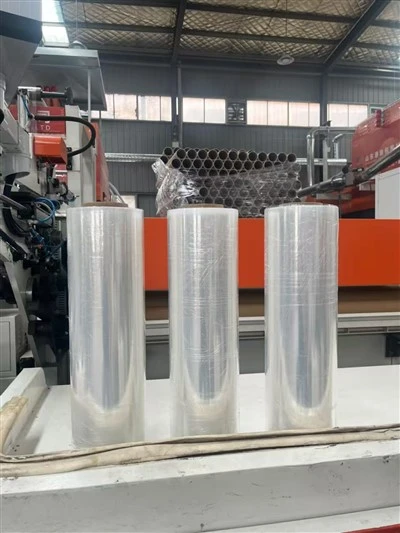
If you’re tired of dealing with stretch film waste, or you want to make sure your packaging is as sustainable as possible, let’s chat. We can go over your current usage, figure out the best type of film for your needs, and even talk about our take-back program to turn your used film into something new. Whether you’re a small warehouse or a big distribution center, we’ve got options that work for you.
Machine Stretch Film References
- American Chemistry Council. (2022). Plastics Recycling 101: Film Recycling for Commercial Businesses.
- Association of Plastic Recyclers. (2021). Linear Low-Density Polyethylene (LLDPE) Film Recycling Guidelines.
- Sustainable Packaging Coalition. (2023). Closed-Loop Recycling for Stretch Film in Warehousing Operations.
- National Retail Federation. (2022). Commercial Plastic Film Recycling: Best Practices for Retail and Distribution Centers.
Shandong Chenyue International Trade Co., Ltd.
As one of the most professional jumbo stretch film manufacturers and suppliers in China, our products have good reputation in the market. Please rest assured to wholesale durable jumbo stretch film made in China here from our factory. Good service and quality products are available.
Address: Building 8J, No. 3188, Jiaxing Highway, Jiading District, Shanghai
E-mail: Jean.zhu@enyapack.com
WebSite: https://www.enyaparticles.com/
