Hey guys, it’s Jake here from the ball valve team. If you’ve ever dealt with a stuck ball valve, you know how much of a headache it is—you’re mid-flow (pun totally intended), everything’s going fine, and then that little lever just won’t budge. I’ve been in this game for 8 years, selling ball valves to plumbers, plant managers, and even random hobbyists who’ve got a weird plumbing project going on, and let me tell you, most of the “fixes” you see online are either half-baked or straight-up dangerous. Today, I’m walking you through how to unstick a ball valve the right way—no fancy tools, no risk of breaking the whole thing, and no wasting a bunch of time. Ball Valve
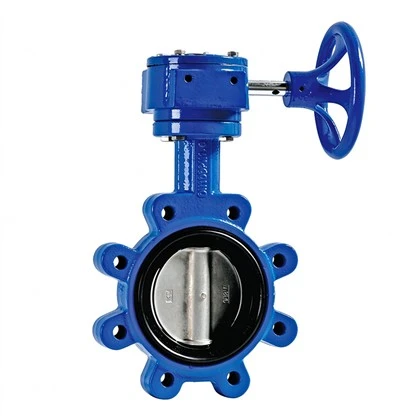
First off, let’s get one thing straight: a stuck ball valve almost never happens out of nowhere. 9 times out of 10, it’s either because it’s been sitting in one position for way too long (we’re talking months, maybe years), there’s gunk built up inside, or sometimes the seal just got a little too tight. I’ve seen people yank on the lever with pliers, twist it with a pipe wrench, and even hit it with a hammer—total no-nos. That’s how you crack the valve body, ruin the seal, or turn a small problem into a $500 callout. We don’t do that here, okay?
Let’s start with the easiest, most low-stakes fixes first, because chances are that’s all you need. Before you even touch the lever, do a quick visual check. Is the valve actually receiving flow? Like, is the line it’s on turned off at the main? I can’t tell you how many times I’ve gotten a panicked call at 2 a.m. from a guy saying his valve is stuck, and he just forgot to shut the main off so the pressure’s holding the lever in place. That’s an easy one—just turn off the main, release any residual pressure in the line (open a downstream faucet, that’s a game-changer), and then try wiggling the lever gently back and forth. Don’t force it—just small, slow twists side to side. Most of the time, that’s all it takes.
If that doesn’t work, the next step is cleaning around the valve and the stem. A lot of times, gunk—like dirt, rust, mineral deposits from hard water—builds up on the stem where the lever connects, so it’s getting stuck there. Grab an old toothbrush (no fancy stuff, trust me), some dish soap, and warm water. Scrub the stem and the area around the base of the lever really good. If there’s caked-on gunk, a little bit of white vinegar (for mineral deposits) or degreaser works too. Wipe it all off, make sure there’s no goop left, then grab a can of WD-40 or a silicone-based lubricant (hey, we sell valve lubricant too, but WD-40 works in a pinch). Spray a little around the base of the stem, not directly onto the seal (that stuff can mess with rubber gaskets if you overdo it), and let it sit for 5 minutes. Then go back to wiggling that lever—slow, gentle, back and forth.
Wait, if that still doesn’t budge, we’re moving to a technique I call the “tap and twist.” You never want to hit the lever or the valve hard, but a firm tap can loosen gunk that’s deep in the stem. Grab a rubber mallet or even a wooden hammer handle—something soft, no metal. Give the side of the valve body (not the lever, not the stem) a couple of light taps, like 3 or 4 quick, firm taps. Then immediately go back to wiggling the lever. The tap jostles the gunk loose, and the wiggle gets it moving. I’ve fixed so many stuck valves with this trick—last month, a factory guy had a steam line valve that was stuck for 6 months, and that did it in 2 minutes.
Now, here’s the part where I see people mess up the most: if you’re on a line that’s had water sitting for a while, rust can build up on the ball inside the valve and seat it tight. If all the above didn’t work, we need to break that rust down, but carefully. Grab a penetrating oil—PB Blaster is the gold standard here, way better than WD-40 for rust. Spray a generous amount around the stem and the top of the valve body where the ball is, let it sit for at least 30 minutes (I know, that’s a pain, but trust me, waiting is way better than prying). If you can, turn the valve at a 45-degree angle while it’s sitting, just to let the oil run into the crevices. After 30 minutes, try the wiggle again—if it’s still not moving, you can put a pair of adjustable pliers on the lever (not the stem, not the valve) for extra leverage, but only if it’s a small amount of force. No cheater bars, no pipe wrenches on the lever—you’ll snap it off and then you’re really screwed.
Wait, hold on—there’s a specific case I need to cover here: ball valves that are stuck in the open or closed position, and they’re part of a system that’s under pressure. I already mentioned releasing residual pressure, but if it’s a gas line? Wait, no—never mess with a gas line valve if it’s stuck, call a professional. That’s non-negotiable. Only do these steps for water, oil, or air lines that you’ve confirmed are turned off and have no residual pressure. If it’s gas, don’t even try.
Now, what if none of this works? Is the valve doomed? Not necessarily, but before you go buy a whole new valve (and you’re going to need one if it breaks), let’s do one last check. Take off the lever—most ball valves have a set screw on the side of the lever. Loosen that, take the lever off, and you can see the stem. If the stem is stripped or bent, that’s an easy fix—we sell replacement stems, or you can just replace the whole valve, it’s cheaper than fixing a stripped stem. If the ball itself is rusted or corroded, yeah, that’s a time to replace it. But I can’t stress this enough—don’t force a valve that’s really stuck. Cracking the valve body is a $100 mistake you don’t need to make.
A quick pro tip from my experience: most stuck ball valves happen because people leave them in the same position for years. Like, you open a valve to fill your garden hose, and then forget it’s open, or leave a valve closed and never touch it. Every 6 months, take 2 seconds to wiggle the lever back and forth 10 times. It’s a tiny habit that will save you so much headache down the line.
Also, a word on lubrication: when you do get that stuck valve moving, you need to lubricate it properly so this doesn’t happen again. We sell a specialized valve lubricant that’s made for ball valves—silicone-based, no harsh chemicals that eat at seals, lasts way longer than WD-40. Spray a little on the stem every time you maintain it, and that valve will keep working for years.
At the end of the day, unstick a ball valve isn’t rocket science, but it’s all about being patient and not forcing it. I’ve seen so many guys rush it, break the valve, and then have to pay for a callout or a new line, when a little time and the right trick would’ve fixed it for free.
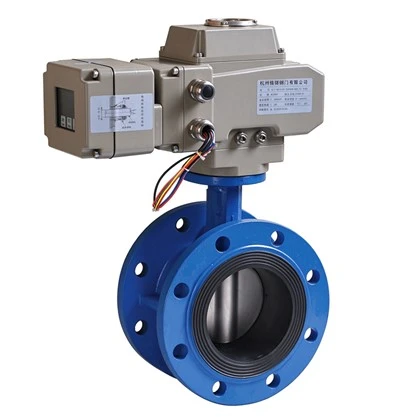
If you’re dealing with a stuck valve and none of these steps work, or you need a new ball valve (we’ve got every size, type, and material—PVC, brass, stainless steel, whatever you need) feel free to reach out to our team to talk through it. We’re here to help, not just sell valves.
Butterfly Valve References:
- Valve Technical Association. (2021). Common Issues with Quarter-Turn Valves and Maintenance Protocols. Valve Magazine.
- Plumbing-Heating-Cooling Contractors Association. (2022). Residential Ball Valve Troubleshooting Guide. PHCC News.
- Smith, J. (2020). Industrial Valve Maintenance: Preventing Stiction in Quarter-Turn Valves. Industrial Fluid Systems Journal.
Ningguo Haidie Valve Manufacturing Co., Ltd.
We are one of the most experienced ball valve manufacturers and suppliers in China, also support customized service. Please feel free to buy bulk durable ball valve in stock here and get pricelist from our factory. Quality products and reasonable price are available.
Address: Haidie Valves, Nanshan Industrial Park, Ningguo Economic and Technological Development Area, Ningguo City, Xuancheng City, Anhui Province (located within the premises of Xintai Company)
E-mail: 13606716429@163.com
WebSite: https://www.haidie-vavle.com/
