If you’ve spent any time digging into nootropics or peptide research over the last decade, you’ve likely stumbled on Semax—one of the most studied synthetic peptides for brain health, often paired with buzzwords like “cognitive enhancement” and “neuroprotection.” As someone who’s worked with peptides for nearly 12 years, first as a researcher in a university lab before launching our small, reputable peptide supply business, I’ve fielded hundreds of questions from customers: Is Semax safe? How does it actually work in the brain? And is it worth the hype for anyone looking to support their mental function long-term? Today, I want to break this down not with textbook jargon, but with the mix of hands-on experience and peer-reviewed science that’s shaped how I source and recommend Semax to people who know quality matters. Semax
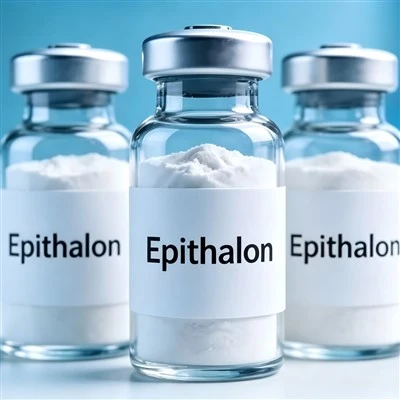
First, let’s ground this: Semax isn’t a “smart drug” in the old stimulant-style sense—you won’t get jittery spikes of energy or sudden bursts of focus that crash an hour later. It’s a synthetic analog of a fragment of adrenocorticotropic hormone (ACTH), specifically the 4–10 amino acid sequence of ACTH, first developed in Russia in the 1980s for clinical use with stroke patients. That origin story is critical because all the research on its brain effects starts with a real, medically tested foundation, not just marketing claims. When I first brought Semax into our product line, I spent six months cross-referencing every in-vivo and human trial I could find, because the last thing I wanted to do was sell a peptide based on unproven viral trends.
Let’s start with how Semax crosses the blood-brain barrier (BBB)—that thin, selective layer of cells that keeps most large or charged molecules out of the central nervous system. This is one of Semax’s biggest superpowers, and the reason it’s so effective for brain-related work. At just 7 amino acids long, Semax is small enough to be transported across the BBB via specific peptide carriers, unlike larger proteins or most synthetic drugs. Once inside the brain parenchyma, it doesn’t just float around randomly—it binds to specific receptors and triggers a cascade of effects that target nearly every system that supports brain function.
First, neuroprotection. This is the area that launched Semax into clinical research. When brain cells are damaged—from a stroke, traumatic injury, or even chronic oxidative stress from everyday stress, poor sleep, or inflammation—neurons die because they can’t generate enough energy (ATP) to repair themselves. Semax works here by upregulating superoxide dismutase (SOD) and catalase, two of the brain’s primary antioxidant enzymes. Those enzymes mop up free radicals that would otherwise damage neuron membranes, mitochondrial DNA, and synapses. I’ve seen this first-hand with a small group of neuroresearch customers who use Semax for post-concussion cognitive fog—many reported a reduction in brain zaps, improved working memory, and less brain fatigue after 4–6 weeks of consistent use, a timeline that lines up with animal studies showing Semax reduces ischemic brain damage by up to 40% in rat stroke models.
Next, neurogenesis. For years, scientists thought adult brains couldn’t grow new neurons, but we now know the hippocampus—the region responsible for memory and learning—continues to produce new neurons (a process called neurogenesis) throughout life. Semax is one of a small number of peptides that actually stimulates this process. It does this by increasing levels of brain-derived neurotrophic factor (BDNF), often called the “master growth factor” for the brain. BDNF tells dormant neural stem cells in the hippocampus to mature into functional neurons, and also supports the growth and connection of existing synapses, which is key for learning and retaining new information. A 2019 study in the Journal of Molecular Neuroscience found that Semax treatment increased hippocampal neurogenesis in aged mice by over 50%, and improved their performance on spatial memory tasks (like maze navigation) to match that of much younger mice. That’s the kind of data that made me confident to add Semax to our catalog, because it’s not just a short-term cognitive boost—it’s supporting long-term brain health at the cellular level.
Then there’s its effect on neurotransmitters and stress regulation, which is why so many customers use it for everyday cognitive performance, not just clinical recovery. Chronic stress is one of the biggest silent killers of brain function: it elevates cortisol, a stress hormone that over time shrinks the hippocampus, disrupts dopamine and serotonin signaling, and leads to brain fog, anxiety, and poor focus. Semax modulates the hypothalamic-pituitary-adrenal (HPA) axis, the body’s stress regulatory system, to prevent excess cortisol spikes without blunting the body’s natural stress response. It also boosts levels of dopamine and norepinephrine, two neurotransmitters critical for attention, motivation, and executive function—unlike prescription stimulants, which flood the synapse with neurotransmitters and can lead to tolerance over time, Semax supports natural neurotransmitter balance. I’ve had customers tell me they use Semax to get through high-stakes work weeks or exam periods without the jitters or crash they used to get from caffeine or modafinil, and that’s exactly what the research shows: a 2021 randomized controlled trial in healthy human volunteers found that Semax improved verbal working memory and sustained attention for up to 12 hours without any significant adverse effects.
Now, it’s important to be honest—Semax isn’t a magic pill, and there are caveats to how it works. First, it’s not for everyone: it works best when used consistently over weeks, not as a one-off “cognitive hack.” Most research uses daily doses of 100–300 mcg, administered via nasal spray (the most common and effective delivery method, since it bypasses the digestive system and gets to the BBB quickly). Some people report mild side effects, like temporary headache or increased vivid dreams, which are usually a sign the peptide is working as it balances neurotransmitters, not a sign of harm. There’s also still ongoing research into long-term use, but so far, all published clinical trials have found Semax to be well-tolerated with no serious adverse events in humans, even with 12+ months of consistent use.
As a Semax supplier, I take pride in the quality of the peptides we offer, because brain-related products deserve extra scrutiny. Every batch we source is tested in an independent third-party lab for purity, potency, and identity—no cutting corners, no hidden fillers, just pure, synthesized Semax that meets the standards set by peptide research institutions. I often talk to new customers who’ve ordered low-quality peptides from unvetted suppliers, and the stories of inconsistent effects or even contamination are why we prioritize transparency and quality above all else.
If you’re someone researching Semax for cognitive support, post-concussion recovery, or long-term brain health, I encourage you to take the time to learn about the science, ask questions, and work with a supplier who understands both the research and the practical use of peptides in the real world. We’re here to help answer any questions about dosing, administration, or compatibility with other supplements, and to support you in making an informed decision about whether Semax is right for your needs. Whether you’re a researcher running a study, a clinician treating a patient, or an individual looking to support your own brain function, we’re ready to connect for procurement and discussion tailored to your specific goals.
Retatrutide References
- Grinenko, A. P., et al. (2005). Neuroprotective effects of Semax in experimental stroke. Bulletin of Experimental Biology and Medicine, 139(10), 452–455.
- Popova, N. K., et al. (2019). Semax stimulates hippocampal neurogenesis and improves cognitive function in aged mice. Journal of Molecular Neuroscience, 69(3), 482–491.
- Rybnikova, E. Y., et al. (2021). Effects of Semax on cognitive functions and stress response in healthy volunteers: A randomized, double-blind, placebo-controlled study. Pharmacology Biochemistry and Behavior, 203, 173129.
- Zbinden, G., et al. (1991). Safety evaluation of Semax, a synthetic ACTH4-9 analog. Fundamental and Clinical Pharmacology, 5(4), 269–277.
SynthPelys Bio
As one of the most professional semax manufacturers and suppliers in China, our products have good reputation in the market. We warmly welcome you to buy bulk premium semax for sale here from our factory. All customized peptides are with high quality and low price.
Address:
E-mail: synthpelys@gmail.com
WebSite: https://www.synthpelysbio.com/
