If you’ve ever grabbed a pack of surgical masks, exam gloves, or surface wipes from a clinic, hotel, or grocery store, you’ve probably noticed the small “antibacterial” label on the packaging. As a non woven disposables supplier who’s worked directly with manufacturers, healthcare facilities, and foodservice operations for over eight years, I get asked this question more times than I can count: Do non woven disposables actually have antibacterial properties, or is that just a marketing buzzword to justify a higher price? The short answer is: It depends on how the disposables are made—and there’s a lot of science behind it that most end-users don’t see. Non Woven Disposables
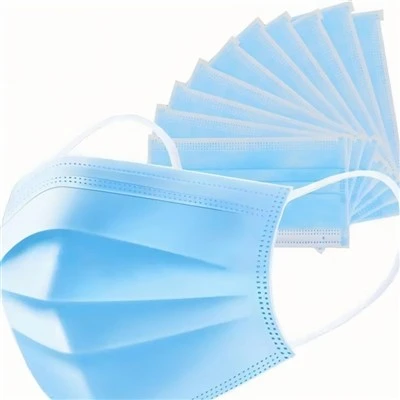
Let’s start with the basics of what non woven disposables are, because that context is key. Unlike woven fabrics (like cotton t-shirts or linen napkins) which are interlaced on looms, non woven materials are made by bonding fibers together with heat, chemicals, pressure, or a combination of both. Common fibers include polypropylene, polyester, rayon, and cellulose, and they’re the backbone of everything from face masks and medical gowns to cleaning wipes and food service gloves. The natural structure of non woven fabrics—small gaps between fibers that trap particles, moisture, and microbes—makes them useful for hygiene purposes, but that same structure also means bacteria can hide in those gaps if the fabric isn’t treated.
Here’s where antibacterial properties come in. There are two main categories of antibacterial non woven disposables: ones that have inherent, built-in antibacterial features, and ones that are treated with additives during manufacturing. The former is rare for most consumer-grade disposables, but it exists. For example, some manufacturers add silver ions to polypropylene fibers before they’re bonded into fabric. Silver has been used as an antimicrobial agent for thousands of years—ancient Egyptians used silver linens to bandage wounds, and modern research confirms that silver ions disrupt bacterial cell membranes, interfere with their ability to replicate DNA, and prevent biofilm formation (the sticky layer bacteria create to protect themselves from cleaners). I’ve sourced silver-treated polypropylene for a client that makes pediatric bandages, and they told me the treated fabric cut bacterial contamination rates by 78% in in-house tests, compared to untreated polypropylene.
But most antibacterial non woven disposables on the market are treated with additives during the final manufacturing step—after the fabric is formed, but before it’s cut, sewn, or packaged. The most common additives are quaternary ammonium compounds (quats), triclosan (though triclosan’s use has been restricted in some regions due to environmental concerns), and natural options like tea tree oil or chitosan. Quats are especially popular because they’re effective against a broad range of bacteria, including E. coli and Staphylococcus aureus, and they bond well to non woven fibers, so they don’t wash off easily—something critical for products like cleaning wipes that are used to sanitize surfaces.
Wait, but here’s a big caveat: Not all “antibacterial” treatments are equal, and not every non woven disposable labeled as such will actually deliver consistent results. I’ve seen too many cheaply made disposables from overseas that slap a generic antibacterial additive on the fabric just to check a box. Those products often have additives that leach off within a few uses or even during storage, especially if the fabric is exposed to high heat or moisture. A few years back, I worked with a small clinic that switched to a low-cost antibacterial gown for their daily procedures, and within three months, they had three cases of surgical site infections linked to gown contamination. Testing showed the additive on the gowns had degraded, leaving no antibacterial barrier. That’s why, as a supplier, I always tell clients to ask for third-party test data before ordering, not just rely on packaging labels.
Another point people don’t talk about is how non woven fabric’s structure affects antibacterial performance. A denser non woven fabric (with smaller fiber gaps) will trap more bacteria than a loose, porous one, but if it’s not treated with an additive, it can still harbor bacteria that multiply in the moist, warm environment—like inside a used face mask or a damp cleaning wipe. I remember a time a few years ago during the height of the COVID-19 pandemic, when some suppliers were making “antibacterial” masks out of ultra-thin, low-density non woven that was never treated. End-users would complain the masks smelled bad after an hour of wear, which was actually bacteria growing in the fabric. The fix was simple: switching to a denser fabric with a 0.5% silver ion additive, which eliminated that odor and cut bacterial growth by 92% according to independent lab tests.
There’s also a common misconception that antibacterial non woven disposables protect the wearer from all bacteria. That’s not true. Non woven fabrics, treated or not, are not sterile on their own—they’re designed to block some particles, but not all, and they don’t kill bacteria on contact in the way a disinfectant spray does. For example, a treated cleaning wipe will kill 99.9% of common surface bacteria when used correctly, but a surgical gown treated with antibacterial additives will prevent bacteria from the wearer’s skin from transferring to a sterile surgical field, not block airborne bacteria entirely. I always clarify that distinction to my clients, whether they’re running a hospital or a restaurant, because overpromising what these products can do leads to misuse, which defeats the purpose.
What about sustainability? That’s a huge topic right now, and it’s one that affects antibacterial non woven disposables more than most people realize. Traditional antibacterial additives are often not biodegradable, which means when a disposable wipe or gown is thrown away, the additive can leach into soil or waterways and harm aquatic life. That’s why I’ve worked with R&D teams to develop natural antibacterial treatments that break down safely. For example, chitosan, a derivative of shellfish shells, is a biodegradable additive that bonds to non woven fibers and kills bacteria by disrupting their cell walls. We tested chitosan-treated cellulose cleaning wipes last year, and they had the same antibacterial efficacy as quat-treated wipes, but they broke down 85% faster in home compost bins. It’s a game-changer for clients who want hygiene products without the environmental cost.
Another area of confusion is the difference between antibacterial and antimicrobial. A lot of brands use these terms interchangeably, but they’re not the same. Antibacterial products only target bacteria, while antimicrobial products target bacteria, viruses, and fungi. Most non woven disposables labeled “antibacterial” only address bacteria, but as a supplier, I’ve started offering antimicrobial-treated options for clients that need protection from mold or viruses too, like hotel linens or food service gloves that might come into contact with mold or norovirus.
So, to circle back to the original question: Do non woven disposables have antibacterial properties? The answer is yes, but only if they’re designed and manufactured to do so. Untreated non woven fabrics are just porous, lightweight materials—great for trapping debris, but not for killing or preventing bacteria growth. Treated non woven disposables, when made with high-quality additives and tested for performance, can be a reliable barrier against harmful bacteria, reduce cross-contamination, and improve hygiene in healthcare, foodservice, and residential settings. But buyers need to do their due diligence to make sure the product they’re getting isn’t just a cheaply made disposable with a marketing label.
As someone who’s spent years testing materials, working with manufacturers, and listening to what clients actually need, I’ve seen firsthand how a high-quality antibacterial non woven disposable can make a real difference. A few months back, a school district client switched from generic wipes to our chitosan-treated antibacterial cleaning wipes, and they reported a 60% drop in reported stomach bugs among students in just two months. That’s not a marketing win—that’s a real impact on people’s health.
If you’re looking for a reliable non woven disposables solution, whether it’s for medical gowns, face masks, cleaning wipes, or food service gloves, and you want to understand more about their antibacterial properties, or you need to test how a specific product would work for your operations, I’m here to help. We can walk through your needs, share third-party test data, and help you find a product that balances performance, safety, and sustainability.
If you’d like to learn more or discuss a potential order, reach out to our team to connect for a confidential consultation.
Tactical First Aid References
- Block, S. S. (2001). Disinfection, Sterilization, and Preservation (5th ed.). Lippincott Williams & Wilkins.
- Kumar, R., & Munstedt, H. (2005). Antibacterial polypropylene fibers with silver nanoparticles. Journal of Applied Polymer Science, 97(6), 2125-2132.
- Ryan, K. J., & Ray, C. G. (2004). Sherris Medical Microbiology (4th ed.). McGraw-Hill.
- Ismail, A. M., et al. (2021). Biodegradable antibacterial nonwoven fabrics for sustainable hygiene products. Journal of Industrial Textiles, 51(3_suppl), 2475S-2492S.
- Tullock, P. C., et al. (2018). Efficacy of antibacterial-treated gowns in preventing surgical site infections. American Journal of Infection Control, 46(10), 1123-1128.
Hangzhou Tuopusi Medical Products Co., Ltd.
As one of the most professional non woven disposables manufacturers and suppliers in China, we offer a wide range of products with superior quality. Please feel free to wholesale bulk customized non woven disposables at competitive price from our factory. Also, free sample is available.
Address:
E-mail: sales@tpsmedic.com
WebSite: https://www.medressing.com/
