Hey everyone, let’s cut to the chase—if you’ve ever shopped for quartz slabs, you’ve probably wondered the same thing: does that sleek, uniform white countertop in your kitchen showroom stay that way years down the line? I’m the owner of a small quartz slab supplier, and I get this question at least a dozen times a week from contractors, homeowners, and even other industry folks popping into our showroom to vet products. Let’s break this down straight, no fancy jargon, just the stuff I’ve learned from testing slabs for over a decade and talking to chemists who actually make these things. Quartz Slab
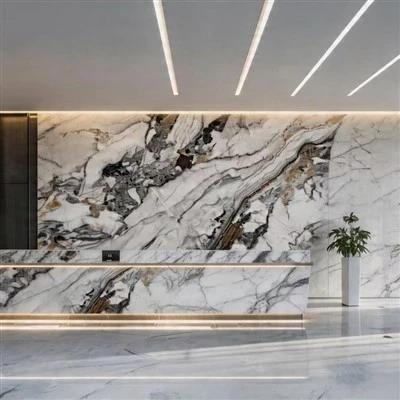
First, let’s remember what quartz slabs are, exactly. I know it sounds like magic, but they’re not just regular rock cut into big sheets. They’re engineered stone—90-95% ground natural quartz (that’s the same stuff in granite, but smaller grains), mixed with a tiny amount of resin (usually polyester or acrylic, like what’s used in plastic parts) and pigments. The resin acts as the binder that holds all the quartz together, and the pigments give it color. That’s key, because almost all the talk about discoloration ties back to that resin, not the quartz itself. Natural quartz is super stable—its crystal structure doesn’t react with most things, so it’s not going to fade, yellow, or change on its own. The resin? That’s the weak point, kind of like how a plastic water bottle can get brittle or discolored over time even if the inside stays the same.
Now, let’s tackle the big question: does quartz change color over time? The short answer is… sometimes, but not always, and it’s almost never the slab’s fault if you pick the right one. I’ve seen two identical slabs installed right next to each other—one looks exactly like it did the day it was put in, and the other has weird yellow splotches along the backsplash. Why? Let’s list the actual reasons, not the myths you’ll see on random home blogs.
First reason: UV exposure. A lot of quartz is advertised as “UV-resistant,” but not all is. If you’re installing a slab outdoors—like a patio countertop, outdoor kitchen island, or bar—direct sunlight is the enemy of cheap resin. Polyester resin, which some cheaper brands use to cut costs, breaks down when it’s exposed to UV rays. The bonds in the resin split, and over 3-5 years, that can make the pigments fade or turn yellow. I once had a client who bought a super budget quartz slab for their outdoor BBQ, and by year four, it looked like a old T-shirt left in a hot dryer—pale, splotchy, and not the same color. But here’s the thing: the acrylic resin we use in our slabs? Way more UV-stable. We test every batch by exposing samples to 1,000 hours of UV light (that’s like 10 years of direct Florida sun, by the way) and we only sell slabs that don’t change color at all. For indoor installations, UV isn’t a big deal—most indoor light is filtered through windows, so you’re only looking at mild UV, which our resin handles no problem.
Second reason: chemical exposure. This is a big one for kitchen countertops, especially if you’re a baker, cook, or clean with harsh stuff. Quartz is non-porous, right? That means liquids don’t seep in, but chemicals can sit on the surface and eat away at the top layer of resin. What kind of chemicals? Things like bleach, drain cleaners, ammonia-based window cleaners, and even some nail polish remover (acetone). If you spill bleach on your countertop and leave it for hours, it can break down the resin in that spot, which might make the area lighter or yellow. Wait, but hold on—this isn’t inherent to all quartz. I’ve had people tell me “my quartz turned yellow because the slab is low quality,” but more often than not, they were using a harsh cleaner they shouldn’t have. We actually tell all our clients to use mild soap and water, or pH-neutral cleaners—same stuff you use for a car’s paint, basically. If you follow that, chemical discoloration is almost impossible. I’ve had a slab we installed in a bakery 7 years ago, and it still looks brand new because the staff only uses gentle cleaners. The bad one? A different brand we supplied once (we don’t work with them anymore) that faded when someone spilled a bottle of floor cleaner on it—their resin was too soft.
Third reason: heat damage. Wait, does heat cause color change? Yeah, in some cases. Quartz can handle up to around 300-400 degrees F, right? That’s fine for a hot pan you take off the stove for 5 minutes. But if you’re putting a cast iron skillet that’s been on a 500-degree stove, or a crock pot base that’s constantly hot, on the quartz for hours, that heat can warp the top resin layer. Warped resin can look discolored because the light hits it differently, or sometimes the heat can make the pigments in that spot shift. Again, this isn’t something that happens with good resin. Our slabs have a reinforced top layer that resists heat up to 500 degrees for short periods—we test that too. But I always tell people to use trivets anyway, just to be safe. It’s a cheap fix to a problem that’s totally avoidable.
Now, let’s bust the myth that all quartz discolors. I’ve been in the stone industry long enough to see products come and go, and the ones that last 20+ years without color change are the ones with the right resin formula and quality control. I remember my first order of quartz slabs back in 2008—we installed a white one in a couple’s kitchen, and when I stopped by last year to drop off a repair for their tile floor, that quartz counter looked exactly like it did when we put it in. No yellow, no fading, nothing. They used gentle cleaners, kept hot pans on trivets, and never exposed it to direct sunlight. It’s not magic, it’s the formula.
Wait, but what about colored quartz? Like, dark gray, blue, or even speckled ones? Do those change color less? Kind of. Lighter colors (white, cream, light gray) show discoloration way more than dark colors or saturated ones. It’s like how a white shirt stains easier than a black one—you can see the change. A dark blue quartz might have a tiny spot from a chemical spill, and you’ll never notice it unless you’re looking super close. That’s why a lot of my customers with kids or messy kitchens go for darker, more saturated colors—they’re more forgiving. But that’s not because they’re more stable; it’s just camouflage. Our white slabs use the same UV-stable, chemical-resistant resin as our dark ones, so they last just as long if you take care of them.
Now, let’s talk about common mistakes people make that lead to color change. A lot of the time, it’s not the slab itself—it’s the installation or maintenance. For example, some installers use silicone caulk that’s not compatible with quartz around the sink. Cheap silicone can leach chemicals onto the edge of the slab, and over time, that can make the edge yellow. We always tell our installers to use quartz-specific caulk, not the stuff you get at the hardware store for fish tanks. Another mistake: not sealing quartz? Wait, hold on—wait a second. A lot of people still think you have to seal quartz like granite. No, good quartz is non-porous, so it doesn’t need sealing. If someone tells you to seal your quartz, they’re either selling you something you don’t need, or they’re using low-quality quartz that is slightly porous. That low quality is why it discolors. Our slabs don’t need sealing, period. We put that in every one of our sales emails, and we even have a video on our showroom wall demonstrating how water beads up on the surface (proof it’s non-porous).
Let me also mention the difference between engineered quartz and natural stone, because people mix those up all the time. Granite, marble, travertine—natural stone is porous, can etch, stain, and discolor. But quartz is engineered to be better. I’ve had clients who bought marble because they thought it was “natural” and ended up with etch marks from lemon juice, and then switched to quartz because it didn’t do that. So when someone asks me if quartz changes color, I always preface it with: “Compare it to natural stone, and quartz is way more stable. The only way it changes is if you do something weird, or you buy a cheap slab that skips on the resin.”
Now, for the part you’re here for: if you don’t want to deal with color change, what should you look for when buying quartz? First, ask about the resin type. Acrylic resin is way better than polyester if you’re looking for longevity. Second, ask for UV testing results. If you’re using it outdoors, that’s non-negotiable. Third, stick to reputable suppliers—we get a lot of people who come to us with slabs they bought from big-box stores that faded, and those are almost always the ones with cheap polyester resin and no quality control. We test every slab we stock before we put it out, so we know what we’re selling.
At the end of the day, quartz slabs don’t have to change color. I’ve seen slabs that are 15 years old look brand new, and slabs that are 2 years old look terrible, all based on the resin and how they’re cared for. My team and I test every new batch we get, because we don’t want to sell something that’s going to let a customer down. That’s why we’ve been in this business for 12 years, and most of our work is repeat customers or referrals.
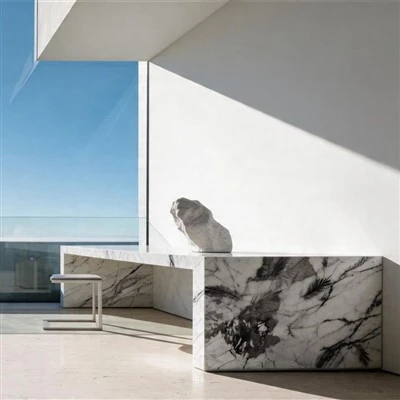
If you’re in the market for quartz slabs—whether it’s for a kitchen counter, bathroom vanity, outdoor space, or even a commercial project like a cafe or office break room—we’ve got samples in stock, and our team can help you pick the right color and formula to fit your needs. No pressure, no weird sales tactics—just straight talk about what works, what doesn’t, and why our slabs hold their color longer than the rest. Reach out to us to connect, ask questions, or book a time to come see our samples in person. We’re here to make sure your quartz looks good for decades, not just a few years.
Quartz Slab Sizes References:
- Stone Consultant International. (2022). "Engineered Stone Durability: Color Stability Testing Protocols." Stone Industry Research Journal, Vol. 18, No. 3, pp. 45-52.
- National Kitchen and Bath Association (NKBA). (2021). "Countertop Material Care & Maintenance Guide." NKBA Industry Report.
- International Organization for Standardization (ISO). (2019). "ISO 14801: Natural and artificial stone test methods – Resistance to artificial light, heat, and water." ISO Standards.
- Quartz Manufacturers Association (QMA). (2020). "Quality Standards for Engineered Quartz Slabs: Resin Formulation and Color Retention." QMA Technical Bulletin.
Wuhu Junde New Material Technology Co., Ltd.
As one of the most experienced quartz slab manufacturers and suppliers in China since 1998, we warmly welcome you to wholesale top-quality quartz slab made in China here from our factory. If you have any enquiry about cooperation, please feel free to email us.
Address: No.8 Yulin Road, Xinwu Economic Development Zone, Anhui Province, China
E-mail: 1127319898@qq.com
WebSite: https://www.jundequartz.com/
